
Key Takeaways
- AI is already influencing growth at an economy-wide level: Barron’s estimates AI investment drove nearly 60% of U.S. GDP growth in Q4 2025, while PwC expects AI to account for up to 15 percentage points to global GDP through 2035.
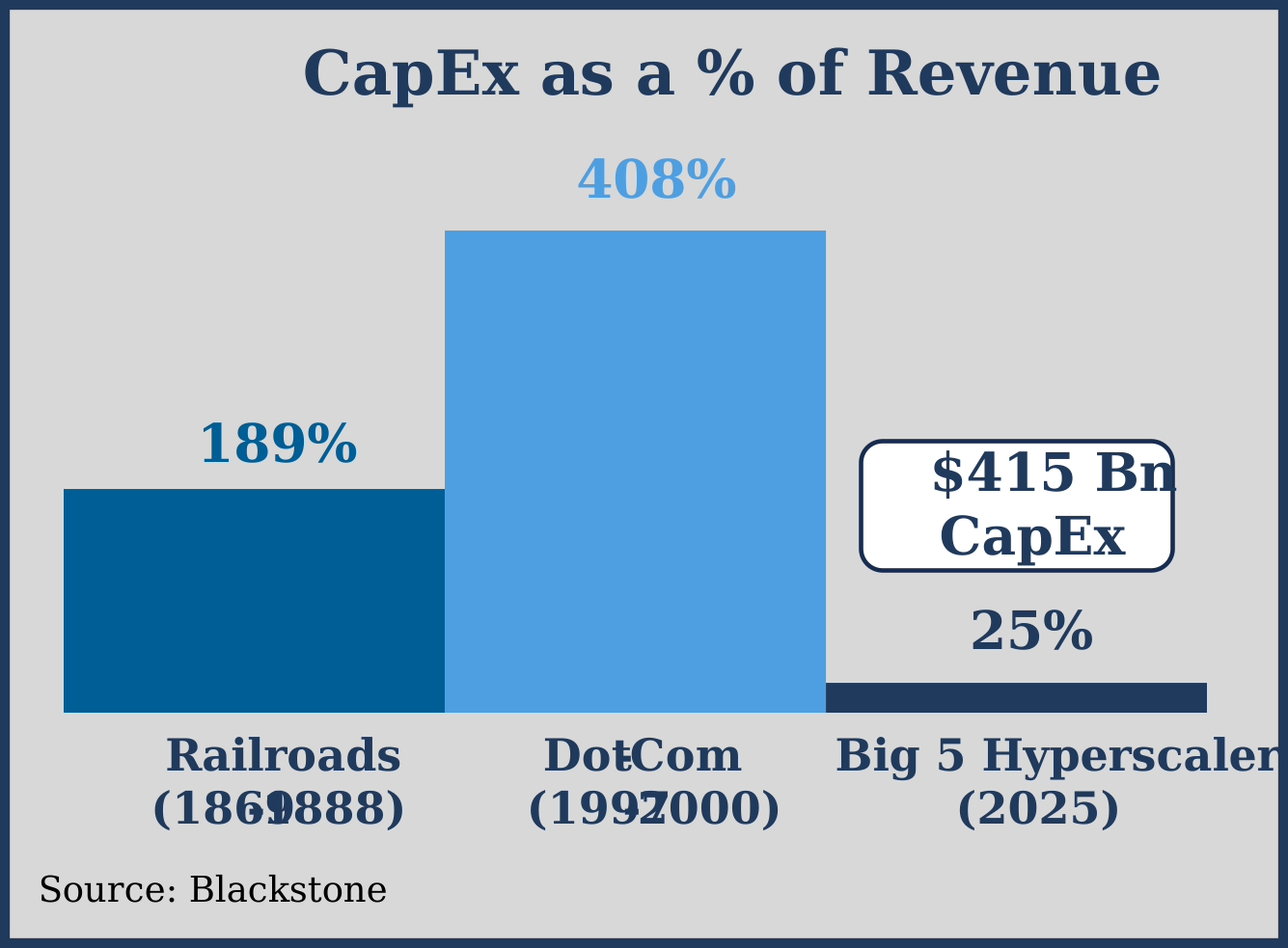
- AI spending is now a capital-formation and infrastructure cycle as much as a software cycle: Global CapEx on data centers is forecast to reach $2.9 trillion through 2028.
- Amazon, Alphabet, and Meta alone have guided to ~$490-520 billion of 2026 CapEx, explaining why private capital investors are all being pulled deeper into the AI value chain
- The tailwinds are clearer, but headwinds are getting more structural: Enterprise return on investment (ROI) is becoming more apparent. At the same time, average grid-connection waits in primary markets have exceeded four years, national-security / FDI scrutiny is tightening, and only 21% of respondents in a Deloitte survey of over 3,000 business leaders have a mature governance model for autonomous agents.
Dealmaking
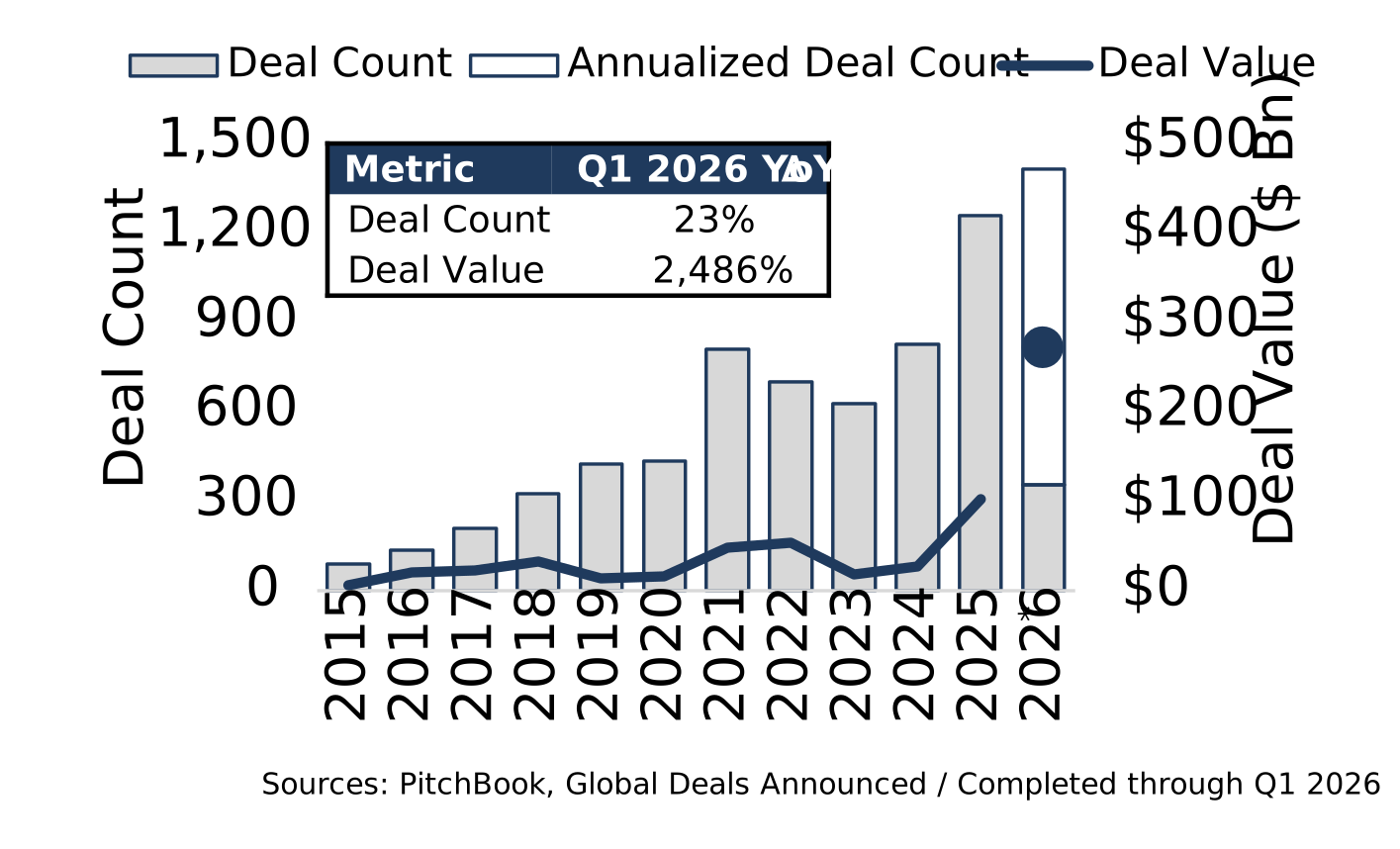
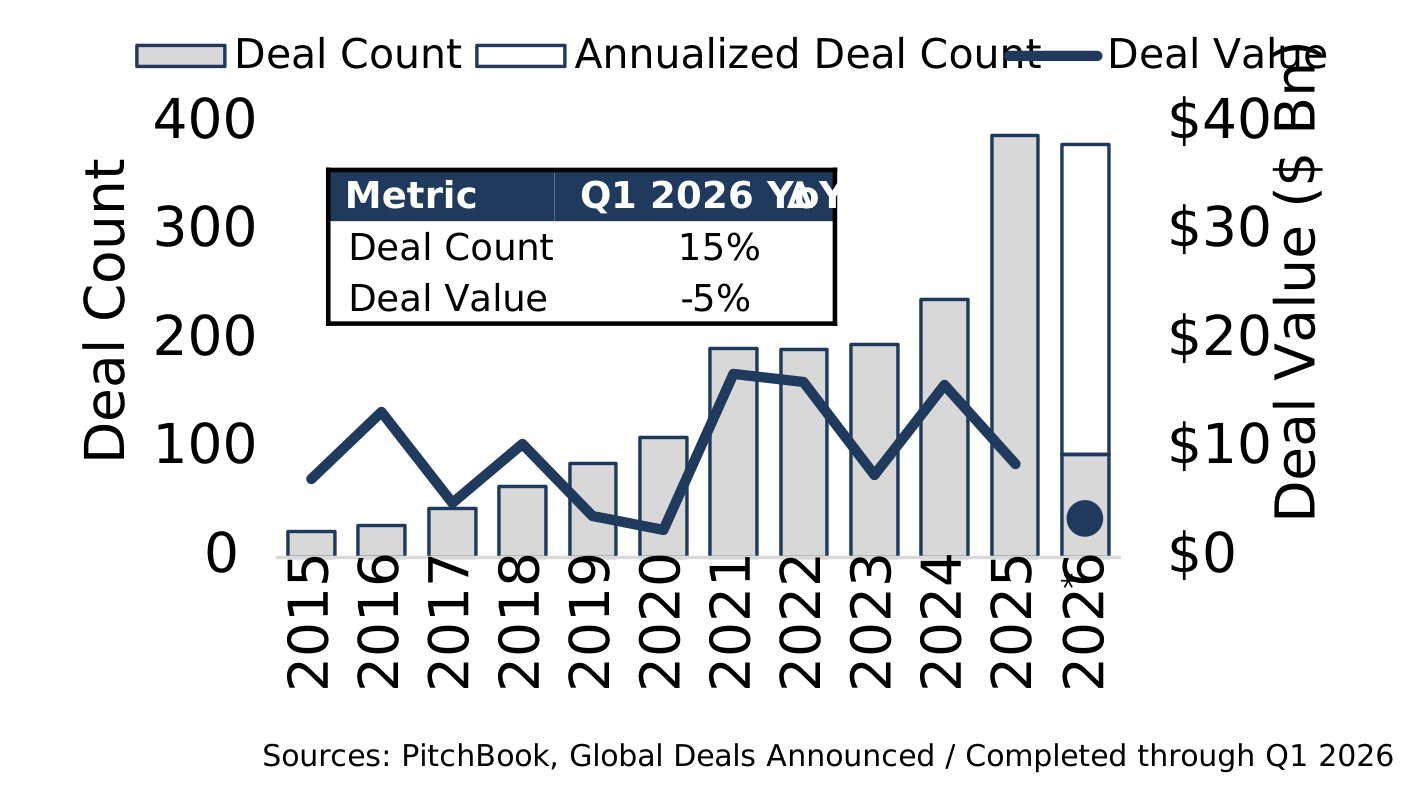
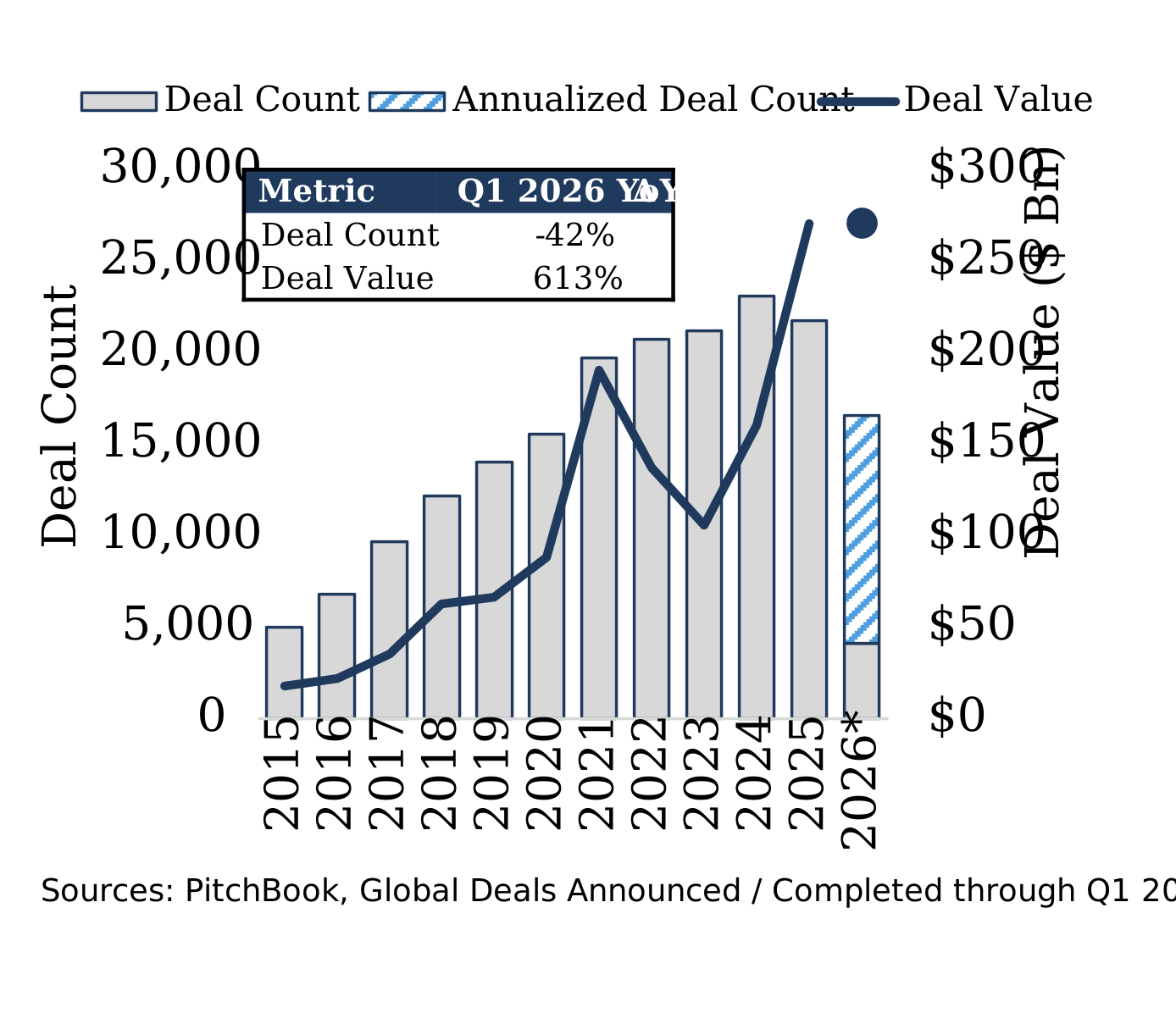
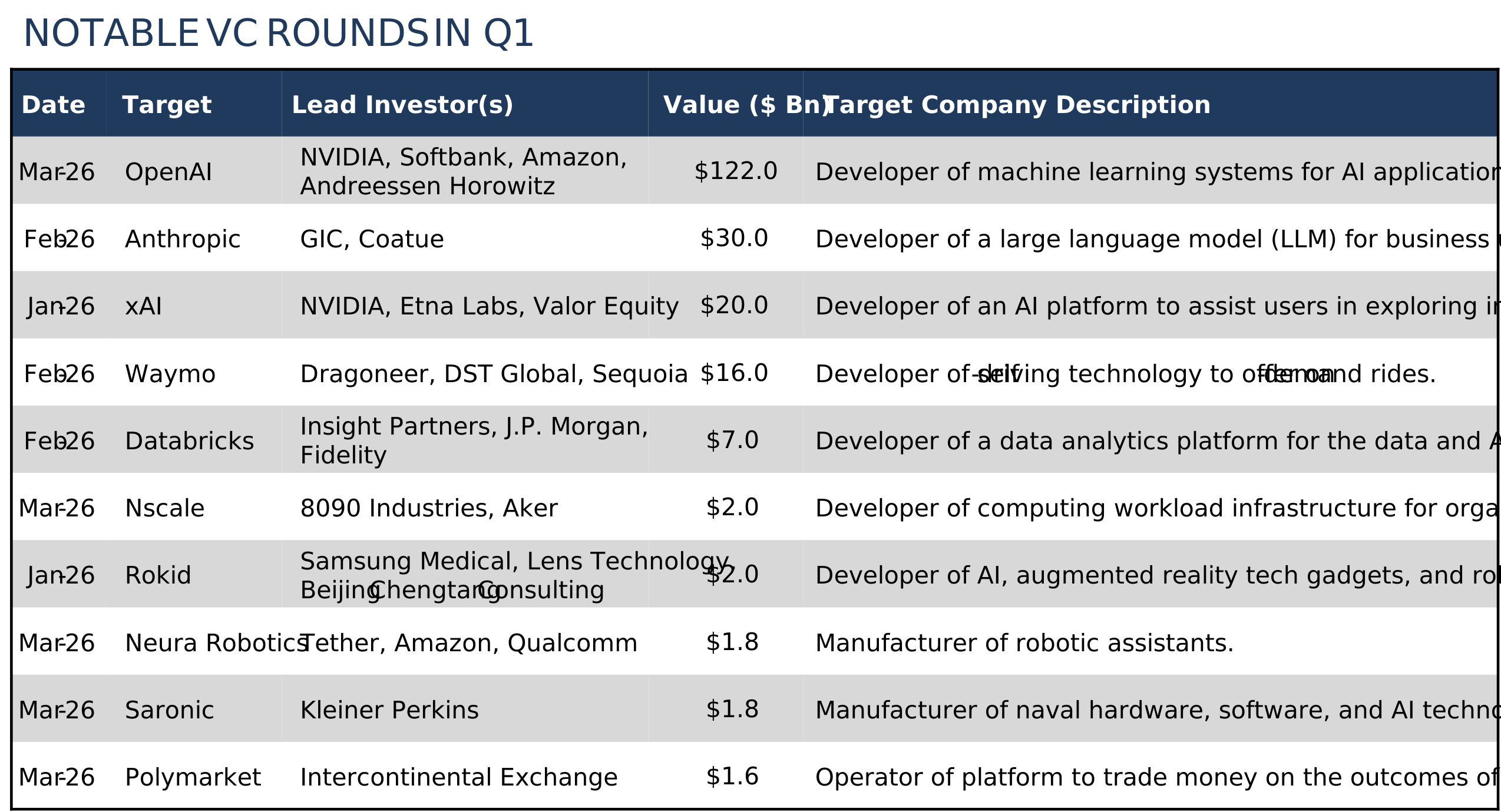
- VC rounds show significant concentration: Q1 2026 was defined more by surging deal value than broad-based deal volume expansion, suggesting that AI capital is flowing into fewer, larger financings.
- Private capital remains focused on AI infrastructure: Private credit continues to provide a majority of early-stage AI infrastructure development capital, while private equity remains active in platform-scale data center investments, mature AI-enabled buyouts, and add-ons that help embed AI across portfolio companies.
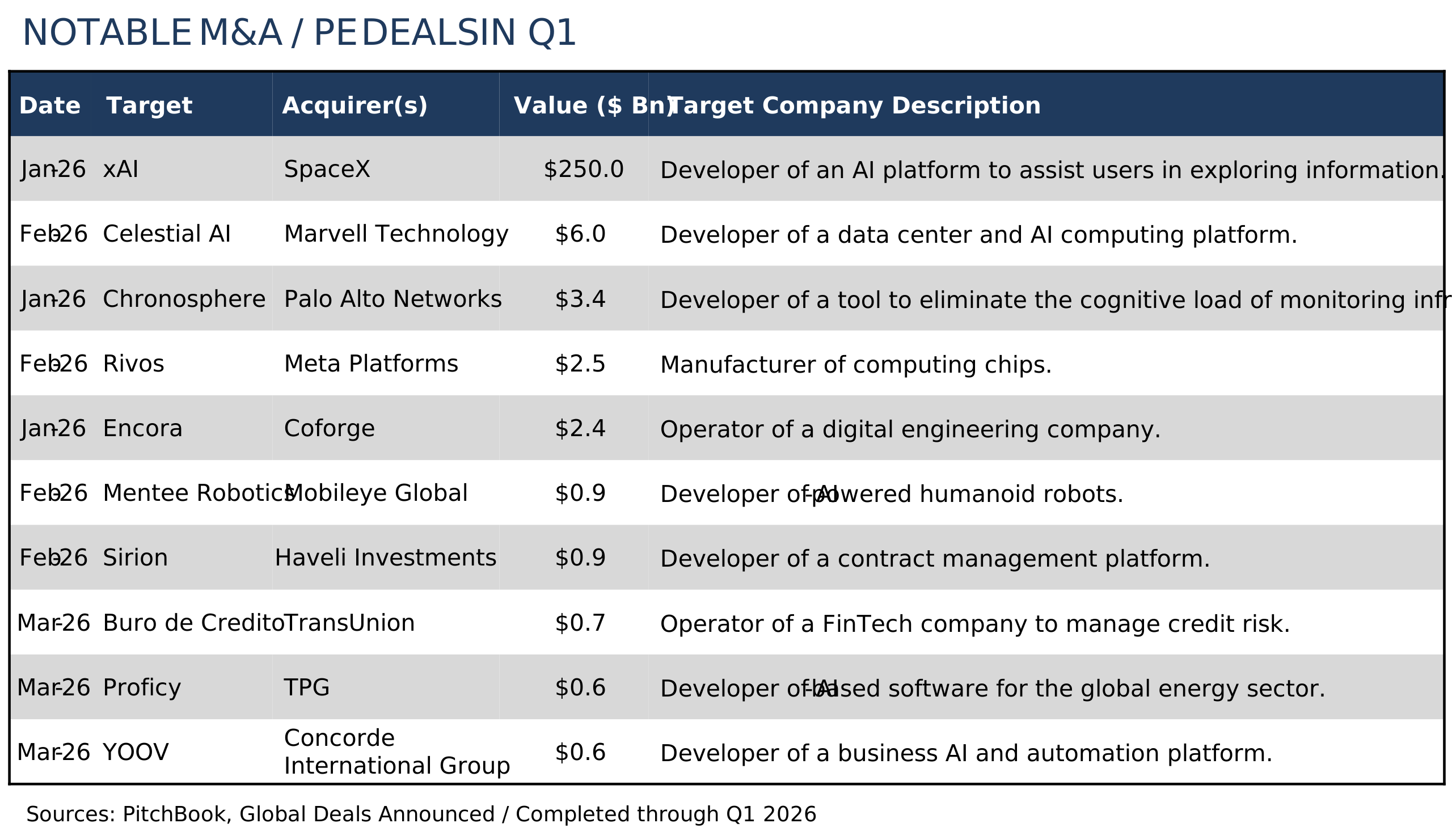
- Transformative deals drive M&A: Strategic buyers are using acquisitions to secure enabling technologies, enhance existing offerings, and gain greater control over workflows, differentiated data, and distribution.
|
Sources: Amazon, Alphabet, Barron’s, Deloitte, JLL, McKinsey, Meta, Morgan Stanley, PitchBook, PwC, Ramp
Hot Topics
- The proof threshold for software deals is rising: AI is pressuring seat-based Software-as-a-Service business models and raising the bar for incumbents, but value should persist for companies that control workflow context, proprietary data, and distribution, and that can shift monetization toward usage- or outcome-based models.
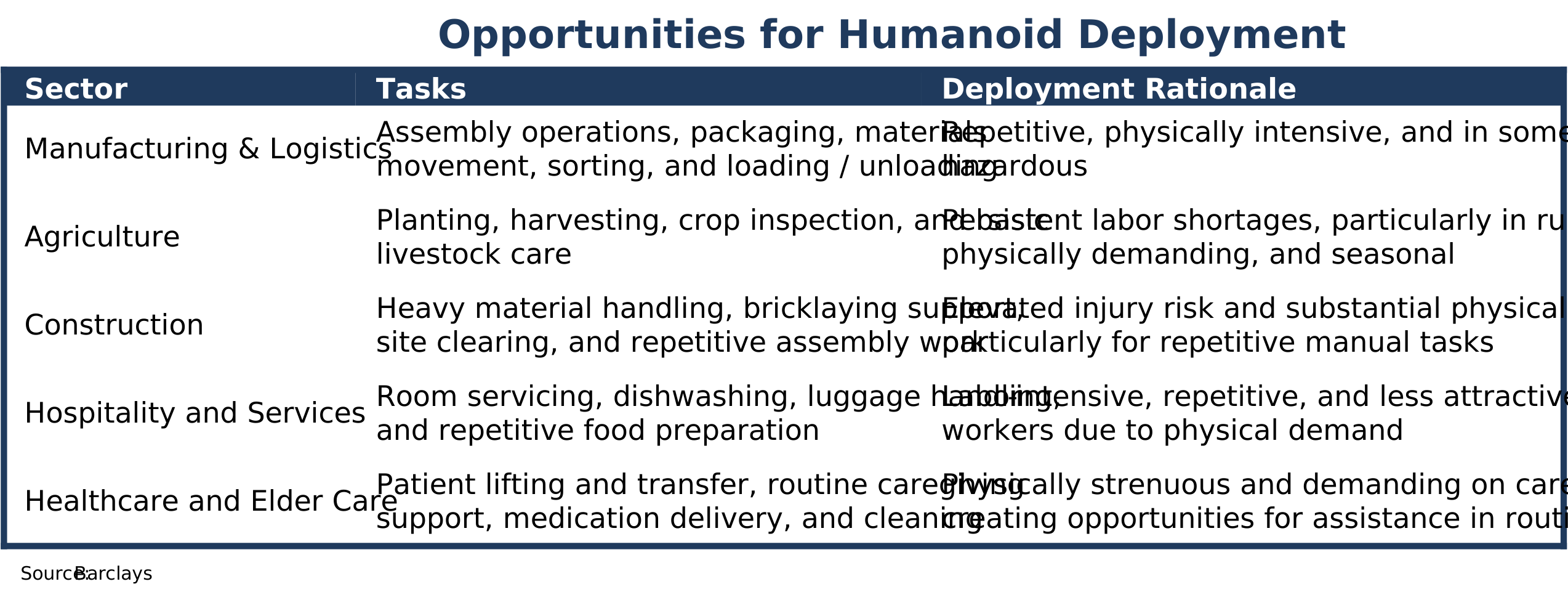
- Physical AI deployment: Another major shift is that physical AI is moving beyond demos and into live industrial settings with NVIDIA’s ecosystem push to bring digital twins, simulation, and edge AI into large installed robotics fleets.
- AI as an attack surface: As AI systems move deeper into enterprise workflows, model, identity, and data layers are becoming new points of vulnerability. In a survey by IBM and Palo Alto of 1,000 C-level executives, 67% faced an AI-enabled cyberattack in the past year and 61% reported compromised AI models, assets, or data.
- National security reshapes AI investment: AI transactions are becoming more sensitive when semiconductors, infrastructure or sensitive data are involved, as sovereignty concerns, country-of-origin scrutiny, and industrial policy increasingly shape deal certainty and cross-border strategy.
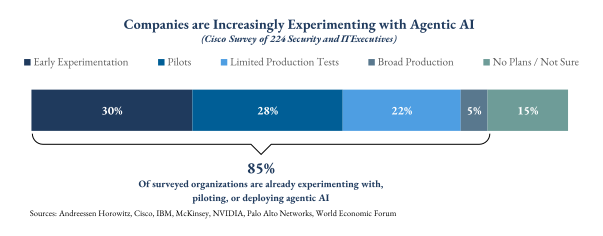
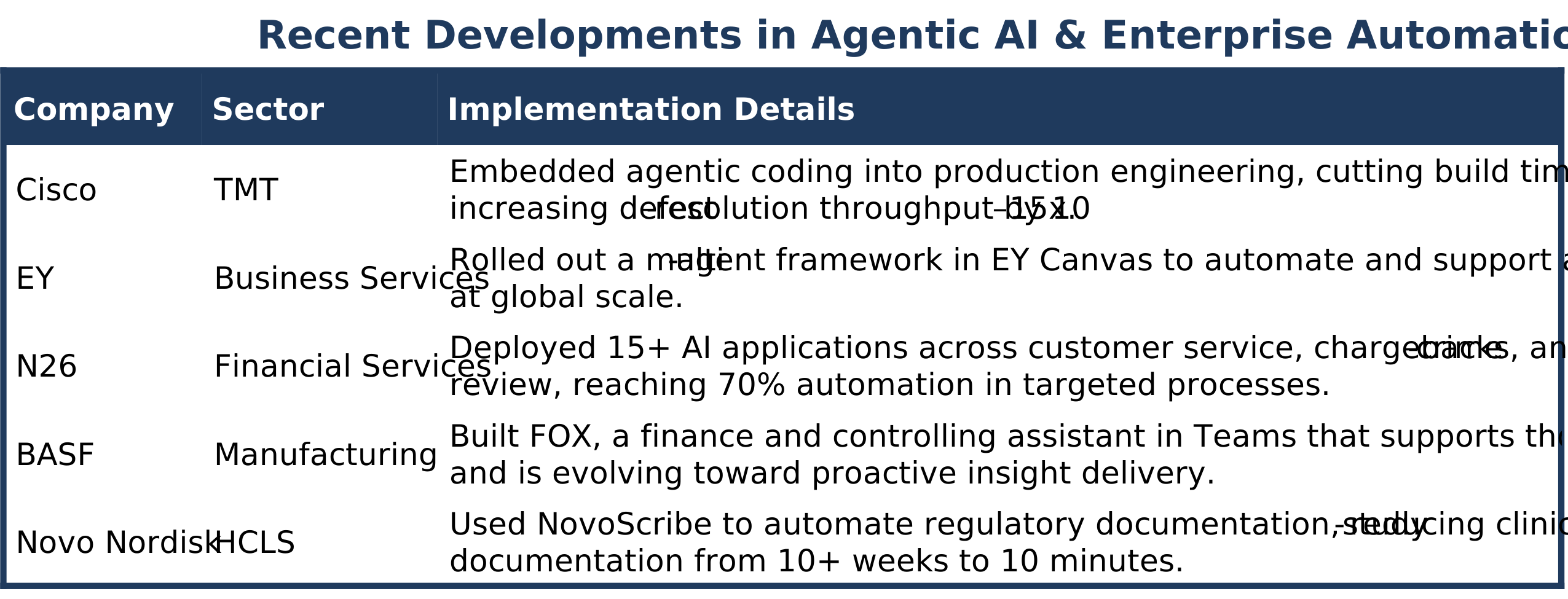
- Agentic AI and enterprise automation accelerate, but governance remains the gating issue: Workflow automation is emerging as the clearest near-term path to value creation; yet in a Cisco survey of 224 security and IT executives, 85% of organizations indicated they are experimenting with, piloting, or deploying agentic AI while a mere 5% report broad production use, with 60% reporting security as the main barrier.
| “AI agents aren’t just making work faster; they’re a new workforce of co-workers that dramatically expand what organizations can accomplish…The only limit is imagination, and security teams are the key to unlocking this opportunity by making the agentic workforce safe enough to trust.” — Jeetu Patel, President and Chief Product Officer at Cisco |
Deal Trends
Global AI Transaction Activity
AI Operationalization
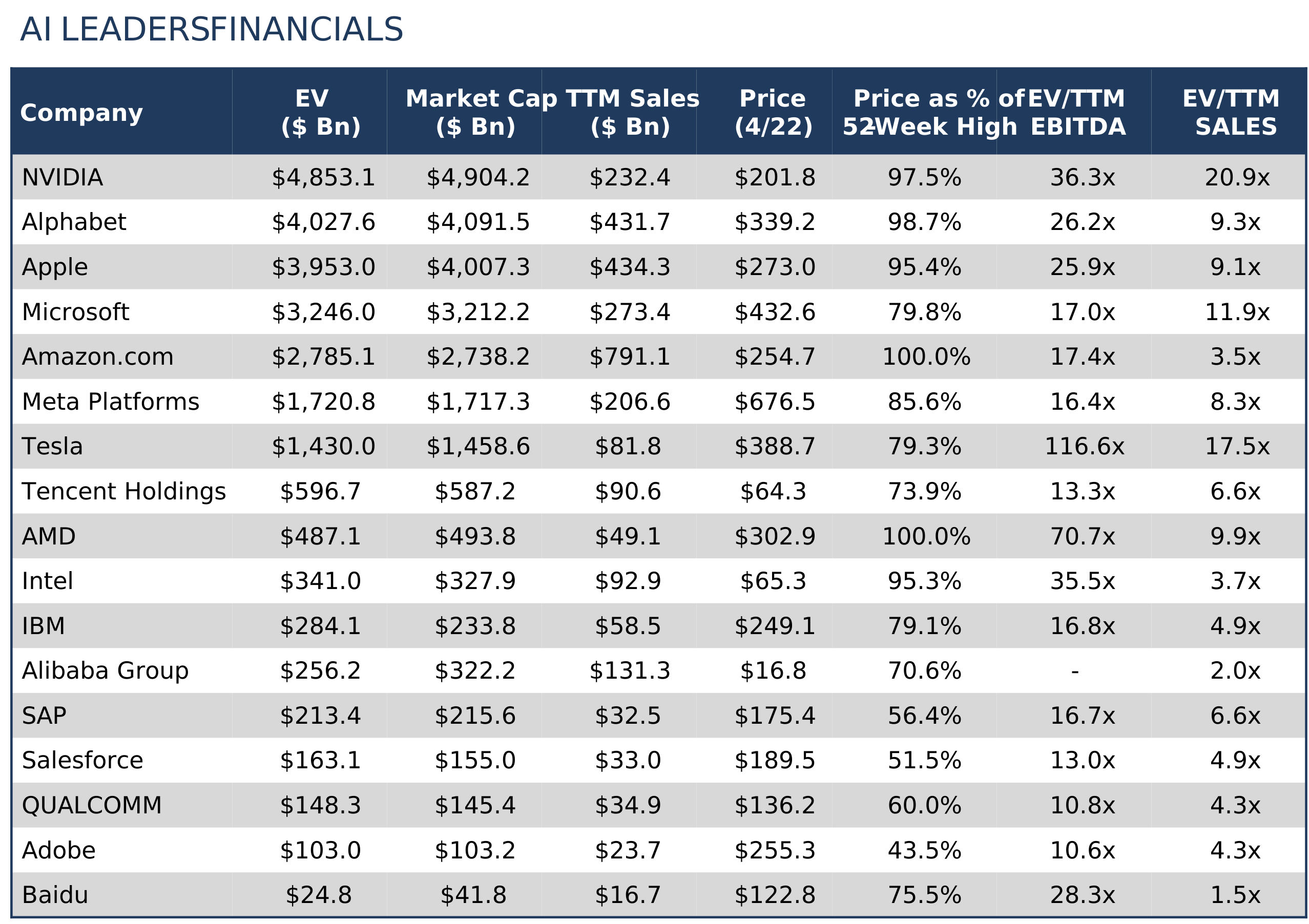
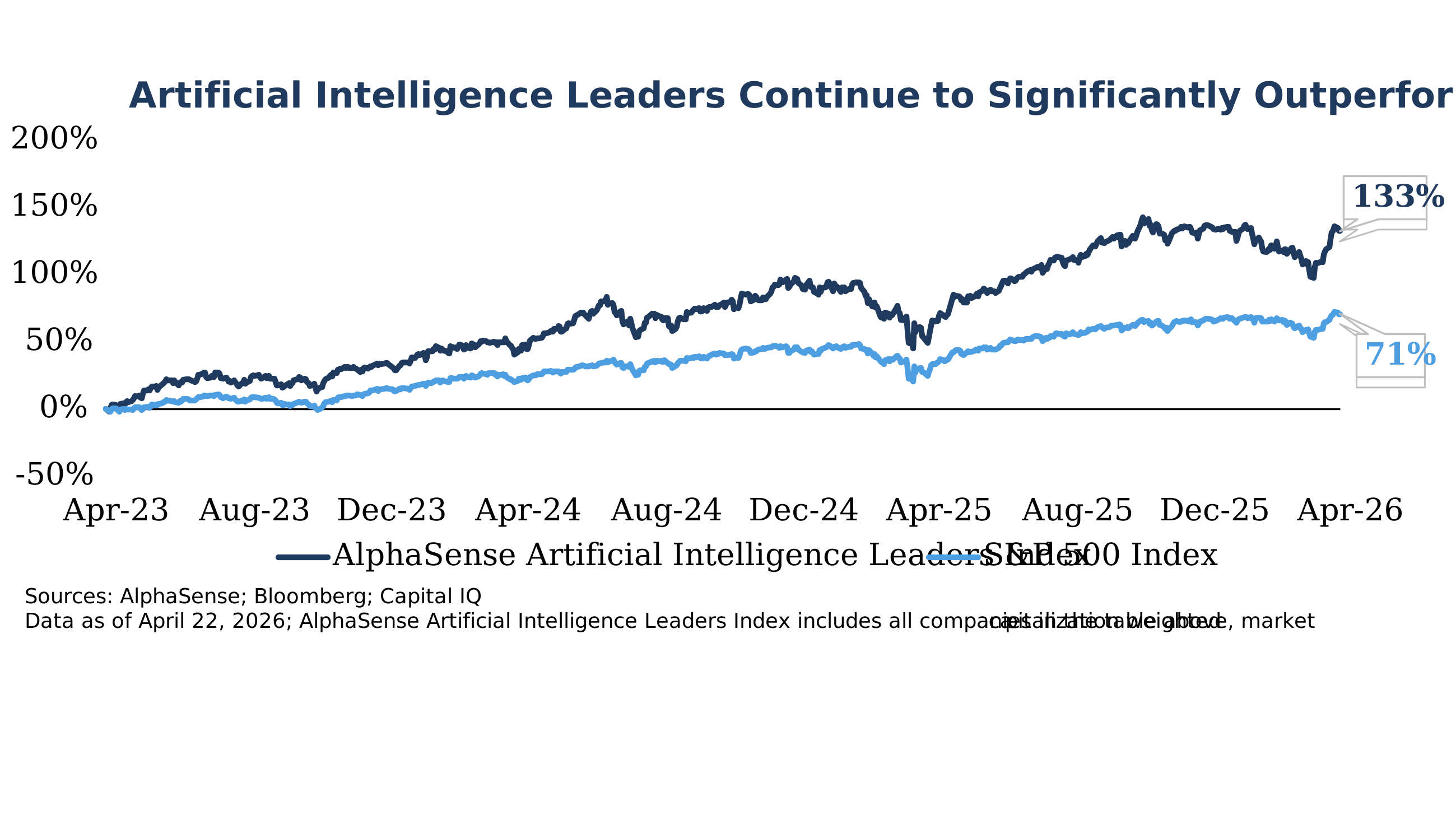
AI Market Outlook & Performance
Stay Up To Date with Ropes & Gray
Subscribe to Our Podcast
Ropes & Gray attorneys provide timely analysis on legal developments, court decisions and changes in legislation and regulations.
Follow Us on Social
Stay in the loop with all things Ropes & Gray, and find out more about our people, culture, initiatives and everything that’s happening.
Join Our Mailing List
We regularly notify our clients and contacts of significant legal developments, news, webinars and teleconferences that affect their industries.