
| Q1 2026 Market Snapshot | |||
| European PE Deal Activity | |||
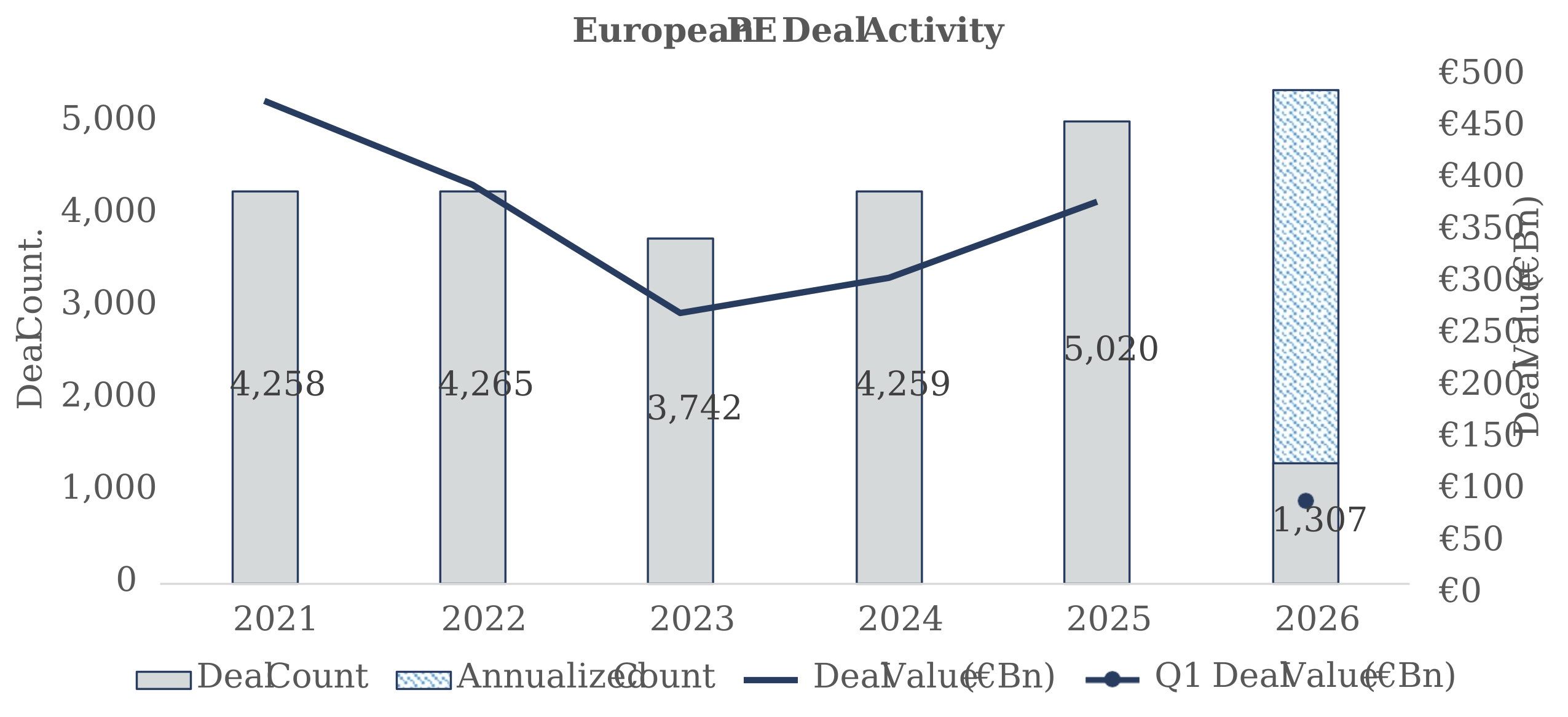
| 1,307 deals totaling €82Bn | -3% QoQ +17% YoY in deal count | -35% QoQ +20% YoY in deal value | €31Bn total deal value from largest five deals |
| Global PE Fundraising | |||
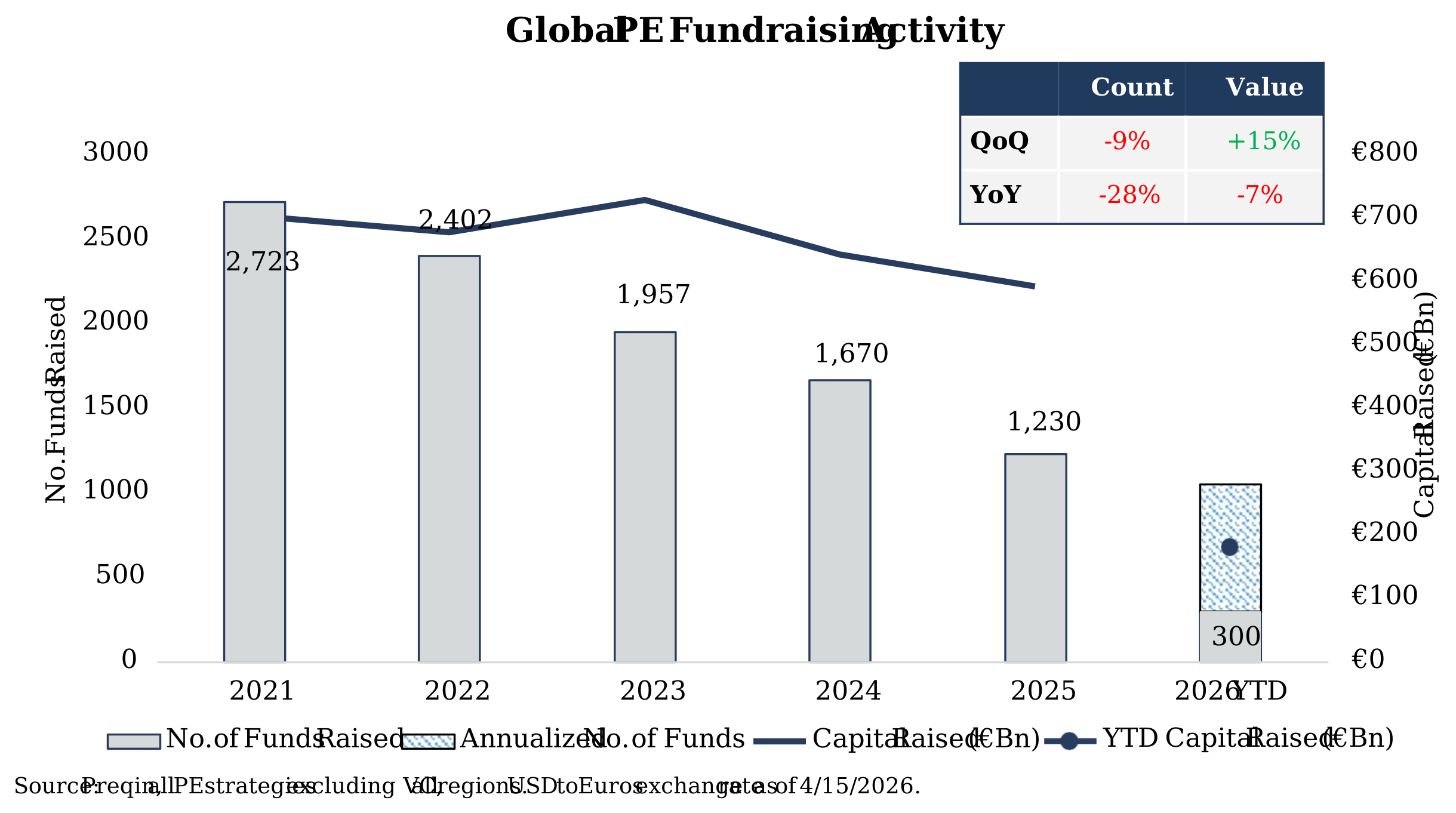
| 255 funds raised in Q1 26, €137Bn in value | -9% QoQ -28% YoY in fund count | +15% QoQ -7% YoY in fund value | |
Source: Dealogic, Preqin.
European PE Deal Activity
- Deal Count: European buyout activity remained resilient in Q1, on pace to exceed prior-year levels despite macroeconomic headwinds such as the Iran conflict. Though QoQ deal count is slightly down, YoY deal count is up 17%, signaling a stronger start to 2026 than the same time in 2025.
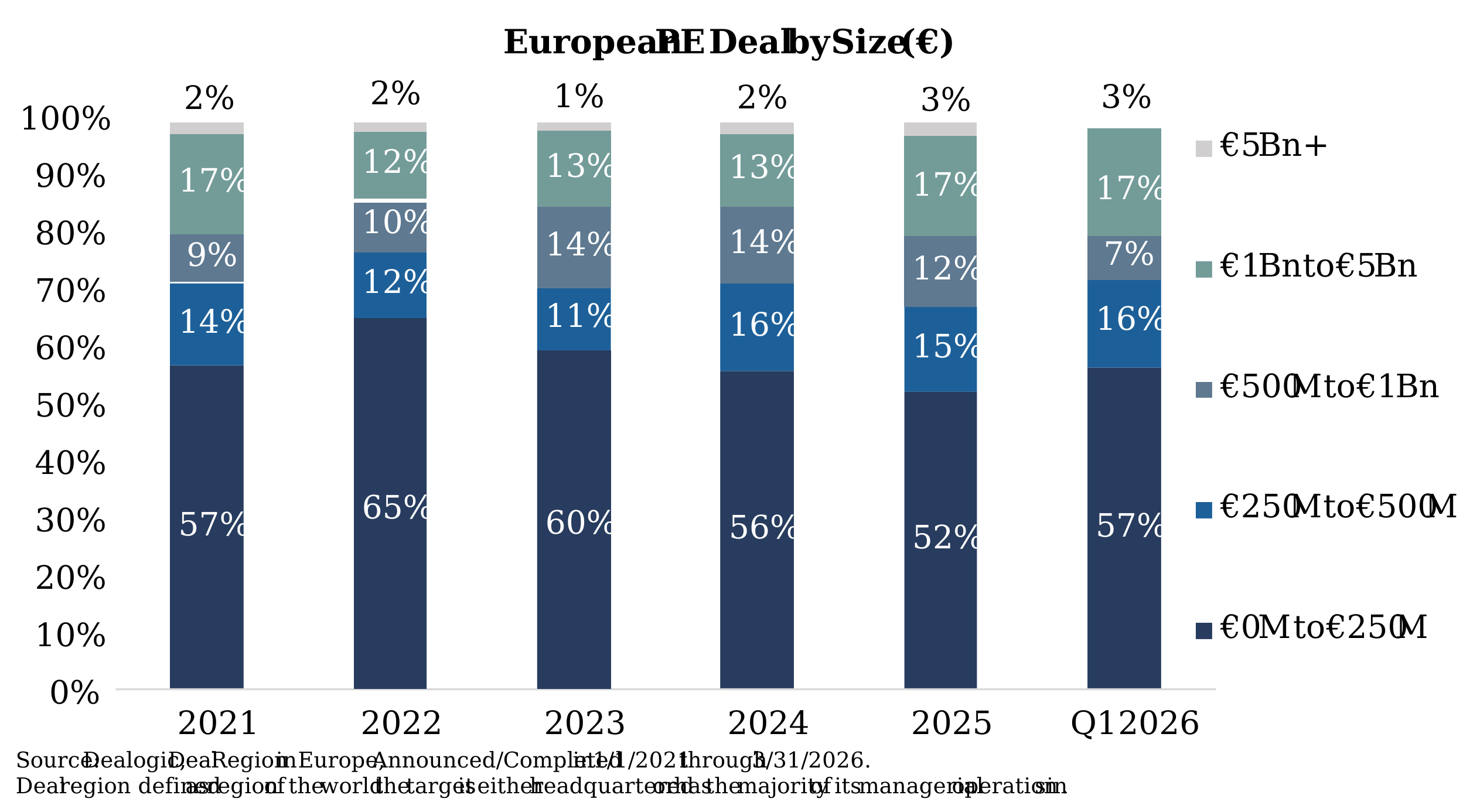
- Deal size: Q1 continued to see high activity for large and mega deals, while smaller deals are up 5 percentage points compared to last year. Large PE players with quality assets are once again commanding premium valuations and prompting sponsors to deploy record levels of accumulated dry powder while specialists continue to seek opportunities in the middle market.
Take Private Deals
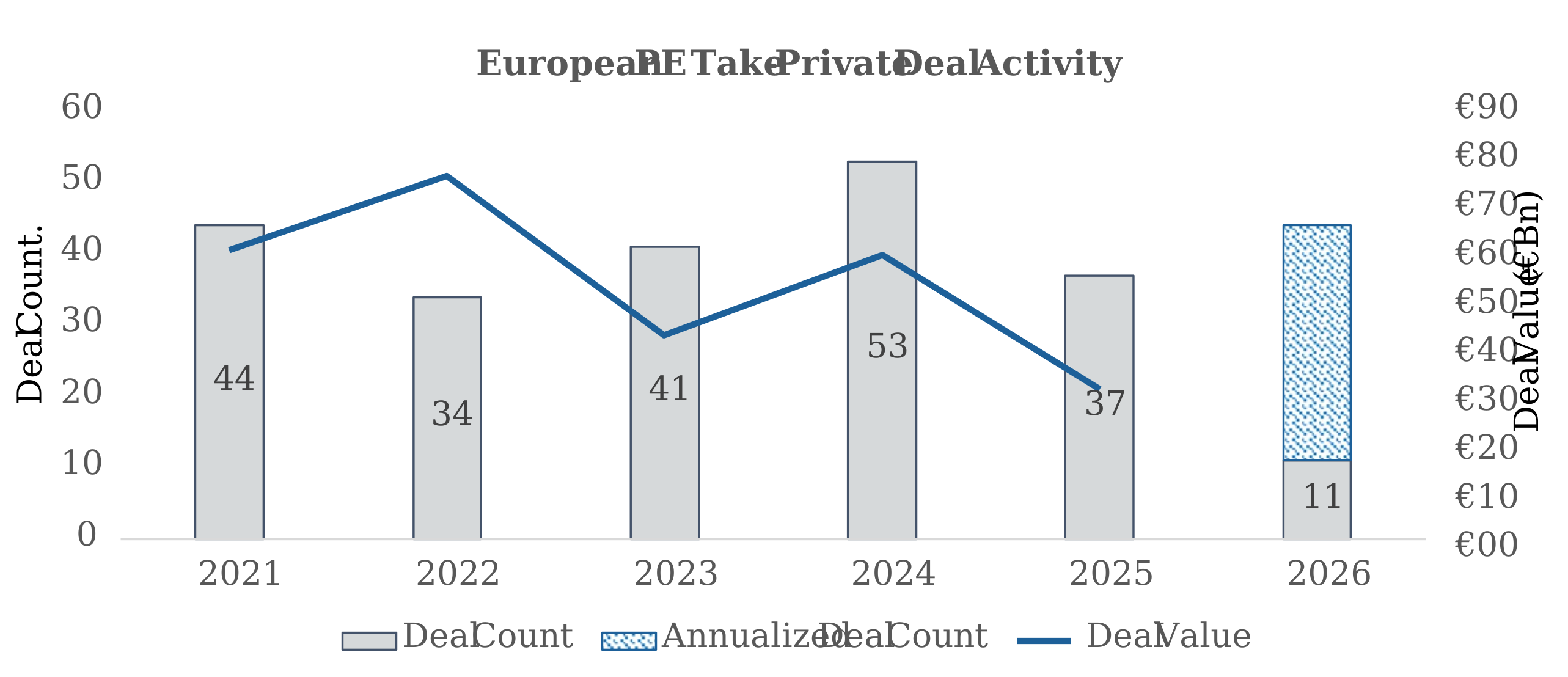
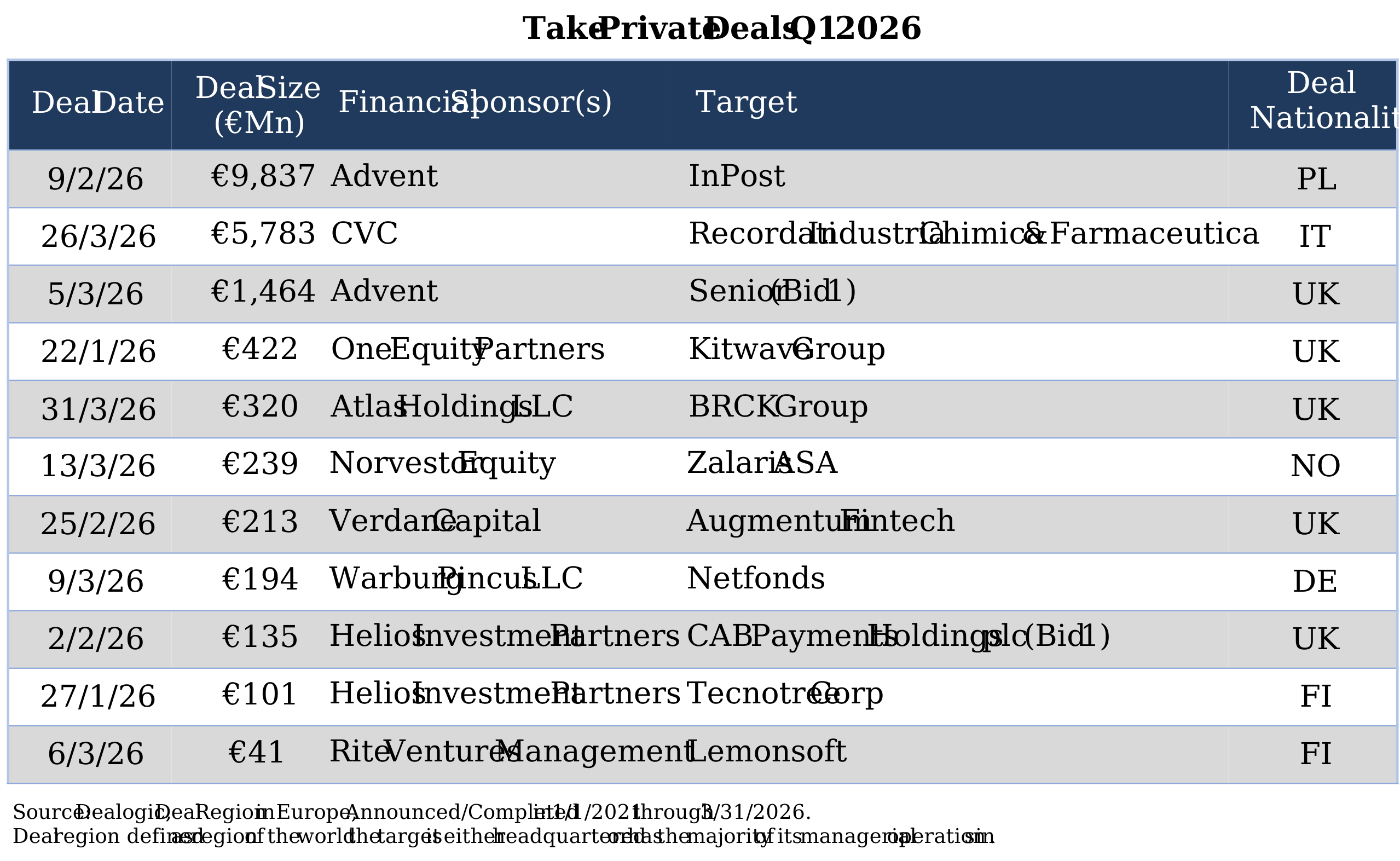
In Q1 2026, take-private deals comprised only 0.8% of deal count (11 deals), but commanded 23% of total deal value, underscoring a broader industry shift to capitalize on compressed valuations in the public markets. The combination of softer pricing, monetary easing, and record levels of PE dry powder is motivating sponsors to execute take-private deals, where they can actively integrate and add business value to the assets acquired. Additionally, the surge in take-privates has fueled broader buyout activity, as sponsors concentrate their resources and funds on fewer, high-quality assets.
Majority and Minority Stake Deals
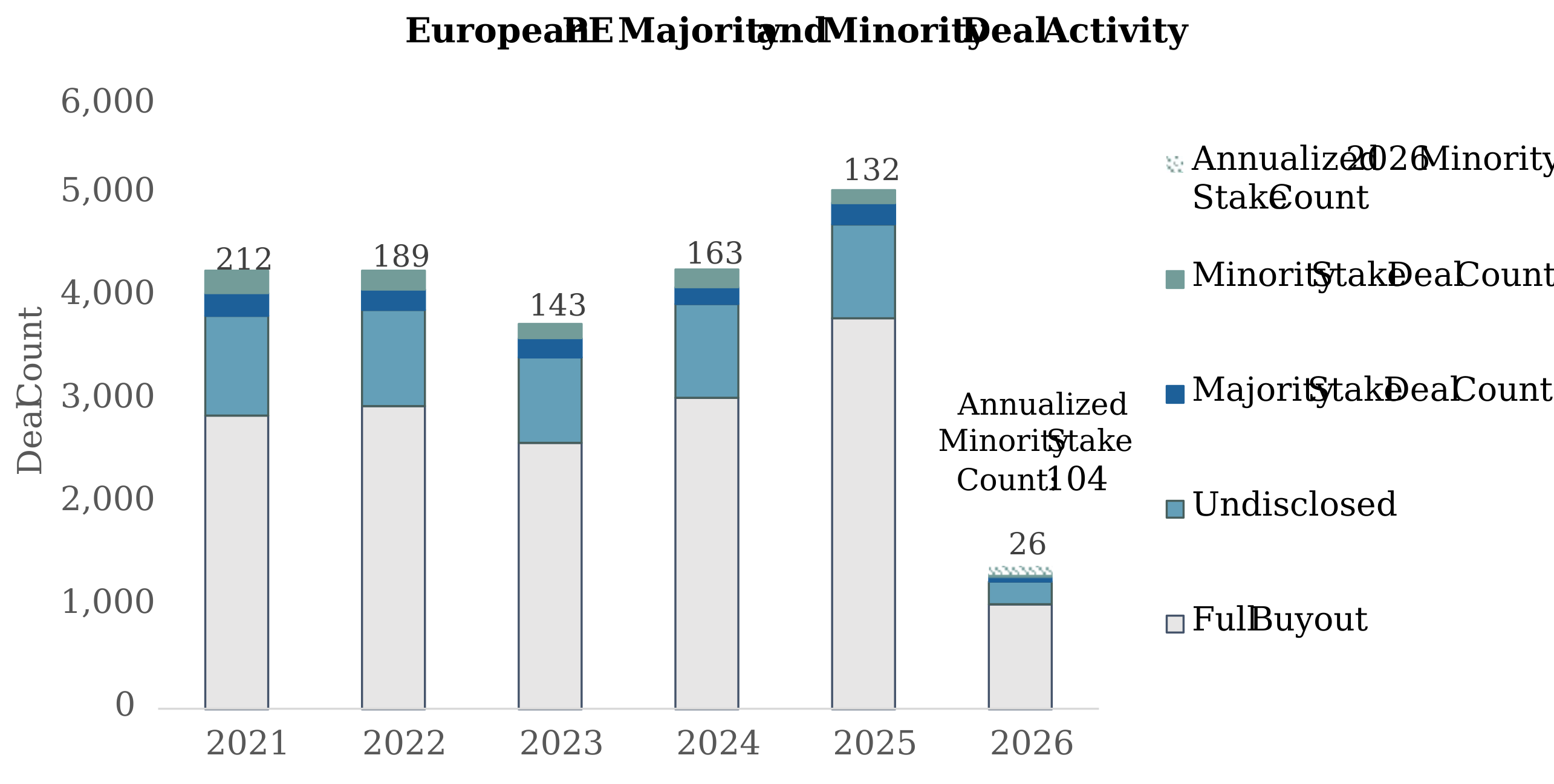
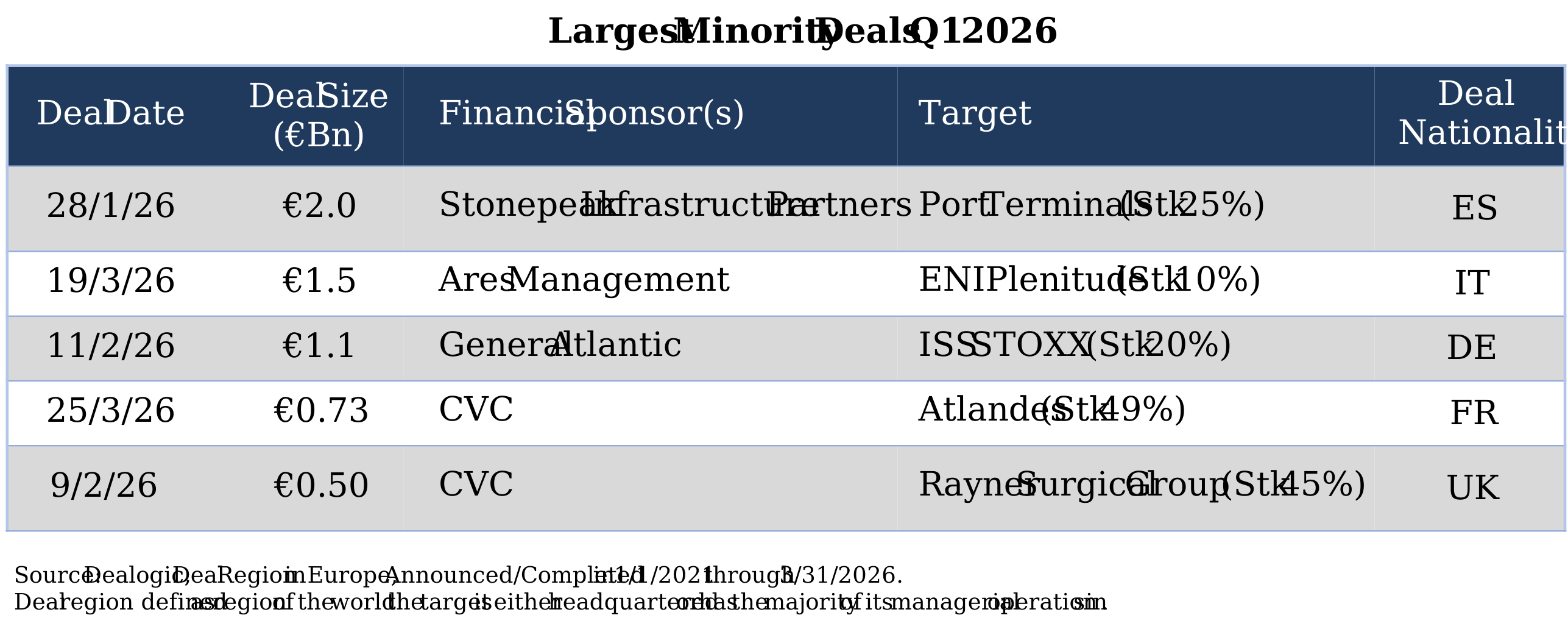
In Q1 2026, minority stake deals accounted for just 2% of European PE deal count (26 deals). While overall PE activity is surging, minority stake investments are slightly declining. This decline is directly tied to the market's preference for control transactions that allow sponsors to dictate operational improvements. Despite this, minority deals are not entirely obsolete, given that the market is still expensive and politically sensitive. In some instances, minority stakes serve as a defensive play to hedge against the potential disruptive effects of new market forces, i.e., generative AI tools on their broader tech portfolio companies.

Financial Sponsor Club and Carve-out Deals
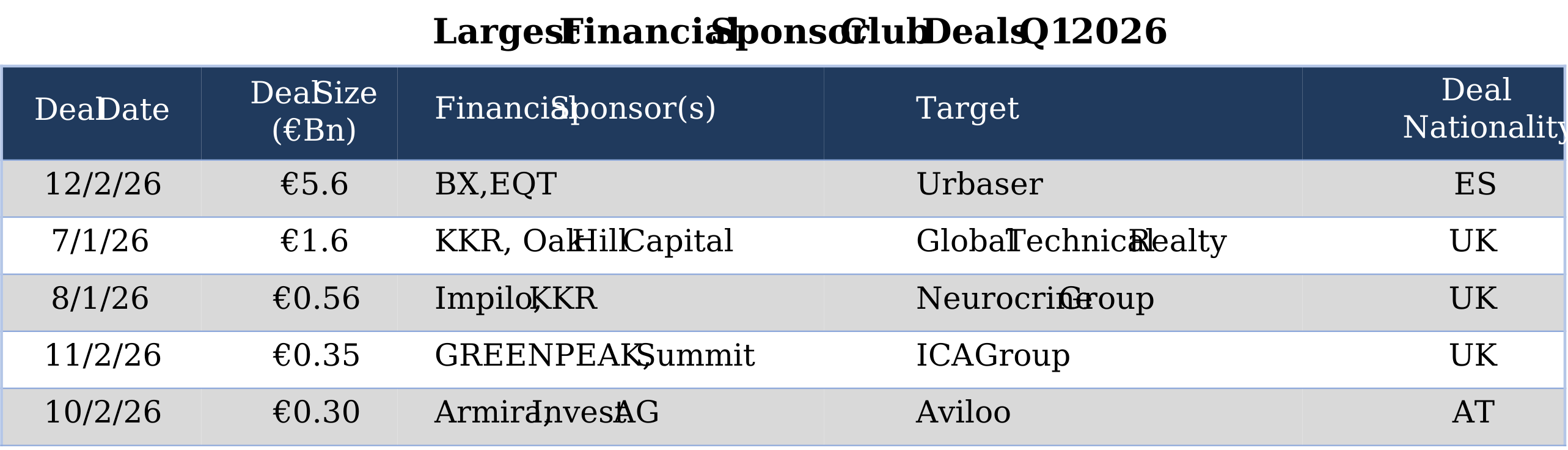
In Q1 2026, financial sponsor club deals represented 11% of deal count (142 deals) and 9% of total deal value as sponsors increasingly syndicated risk across multiple partners. As deal sizes and the number of megadeals continue to climb, even the biggest PE firms can’t write the equity checks alone without blowing through concentration limits, so they are forming consortiums to tackle deals together.

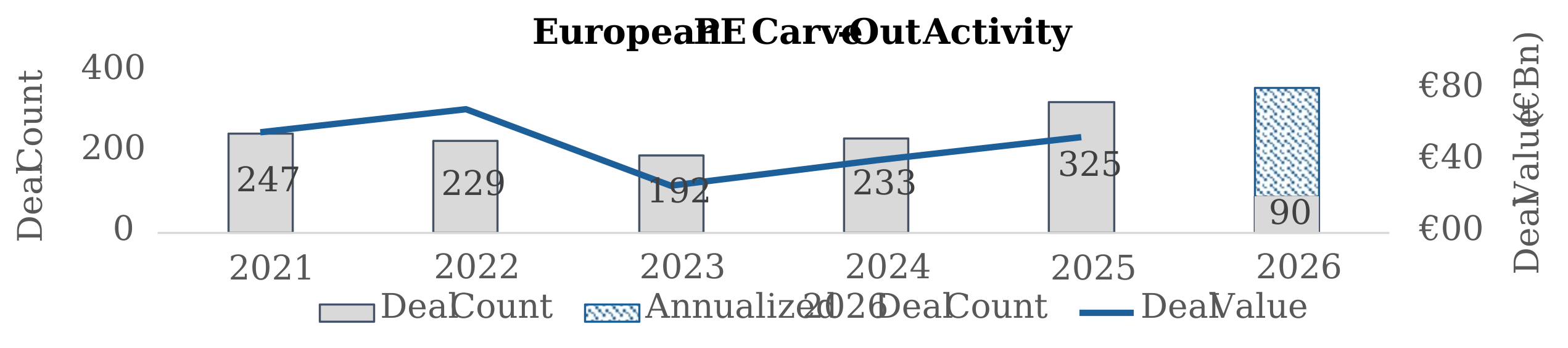
In Q1 2026, carve-outs accounted for 7% of deal count (90 deals) and 13% of total value, reflecting the continued effort from European corporations to rebalance or simplify their portfolios, with PE firms willing to underwrite and execute on the complexity of these deals.
Sector Highlights
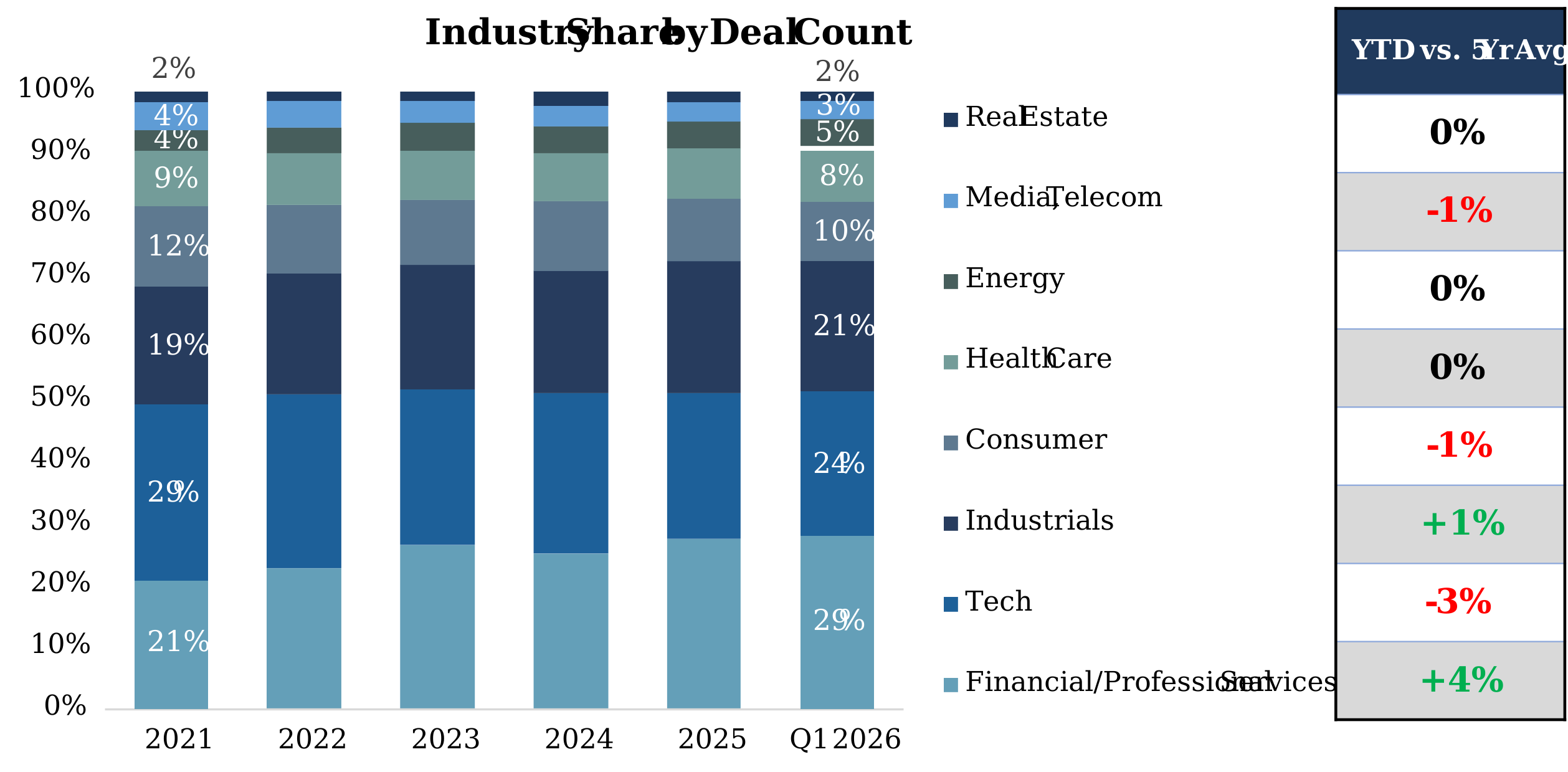
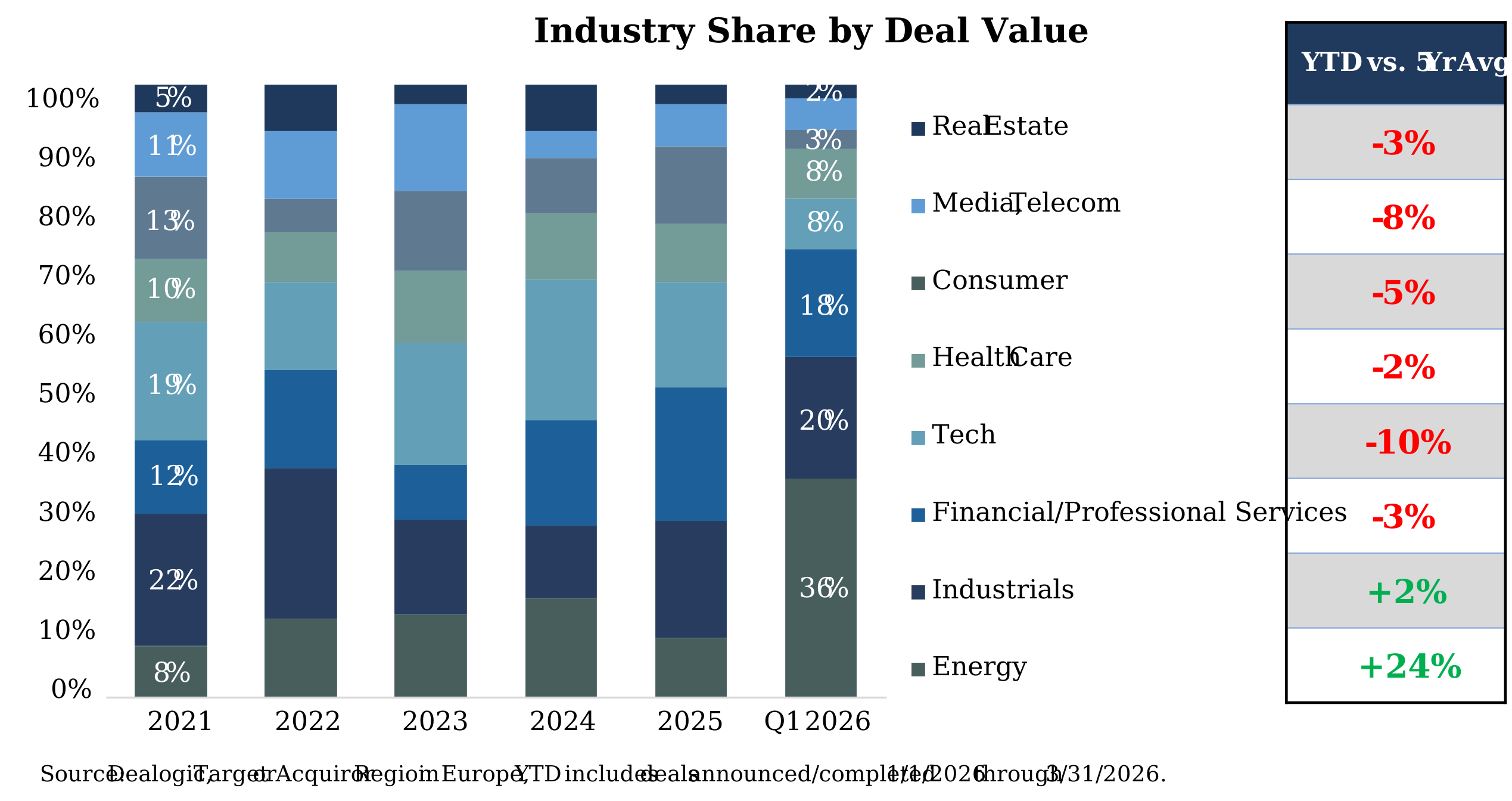
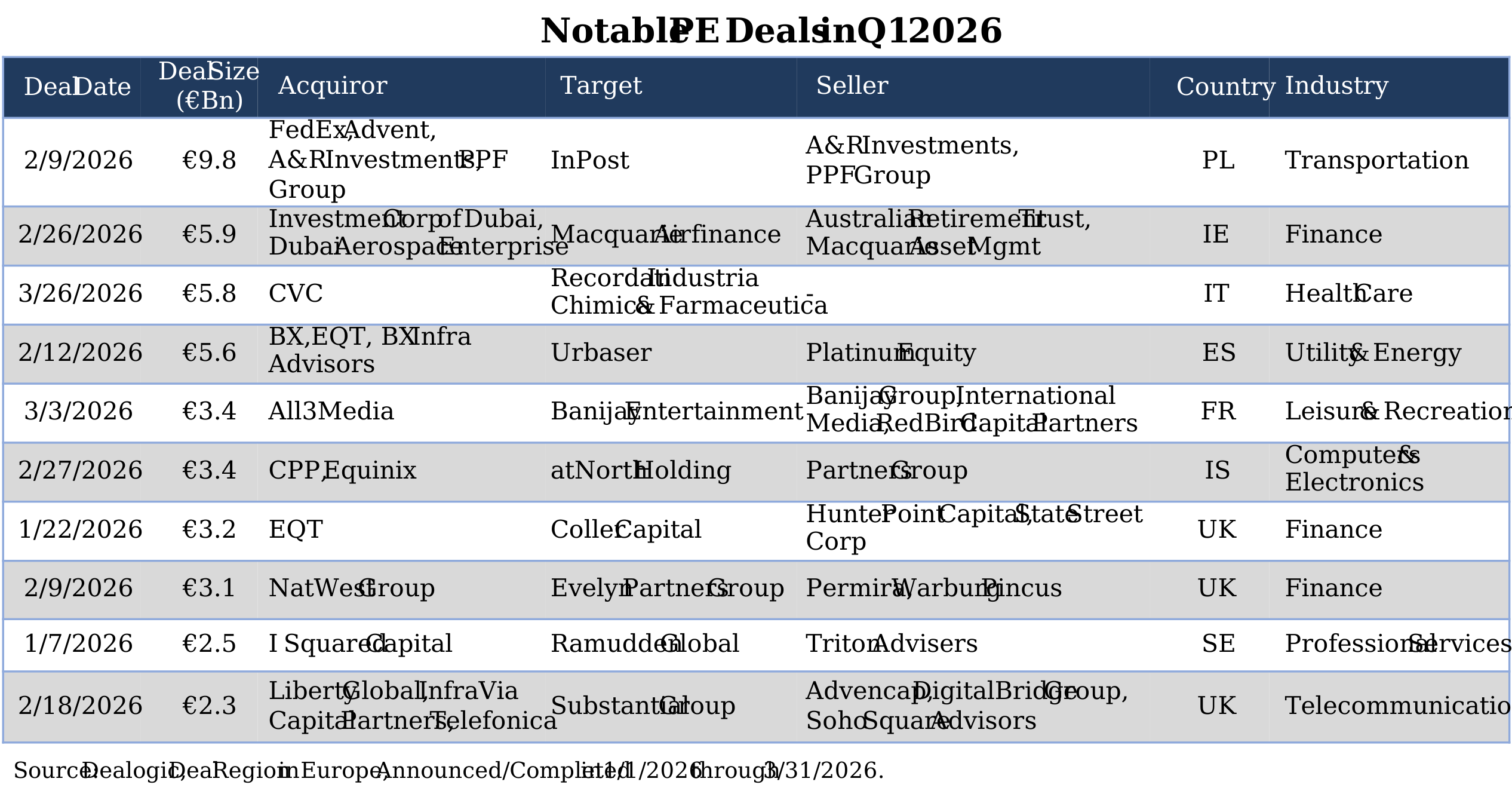
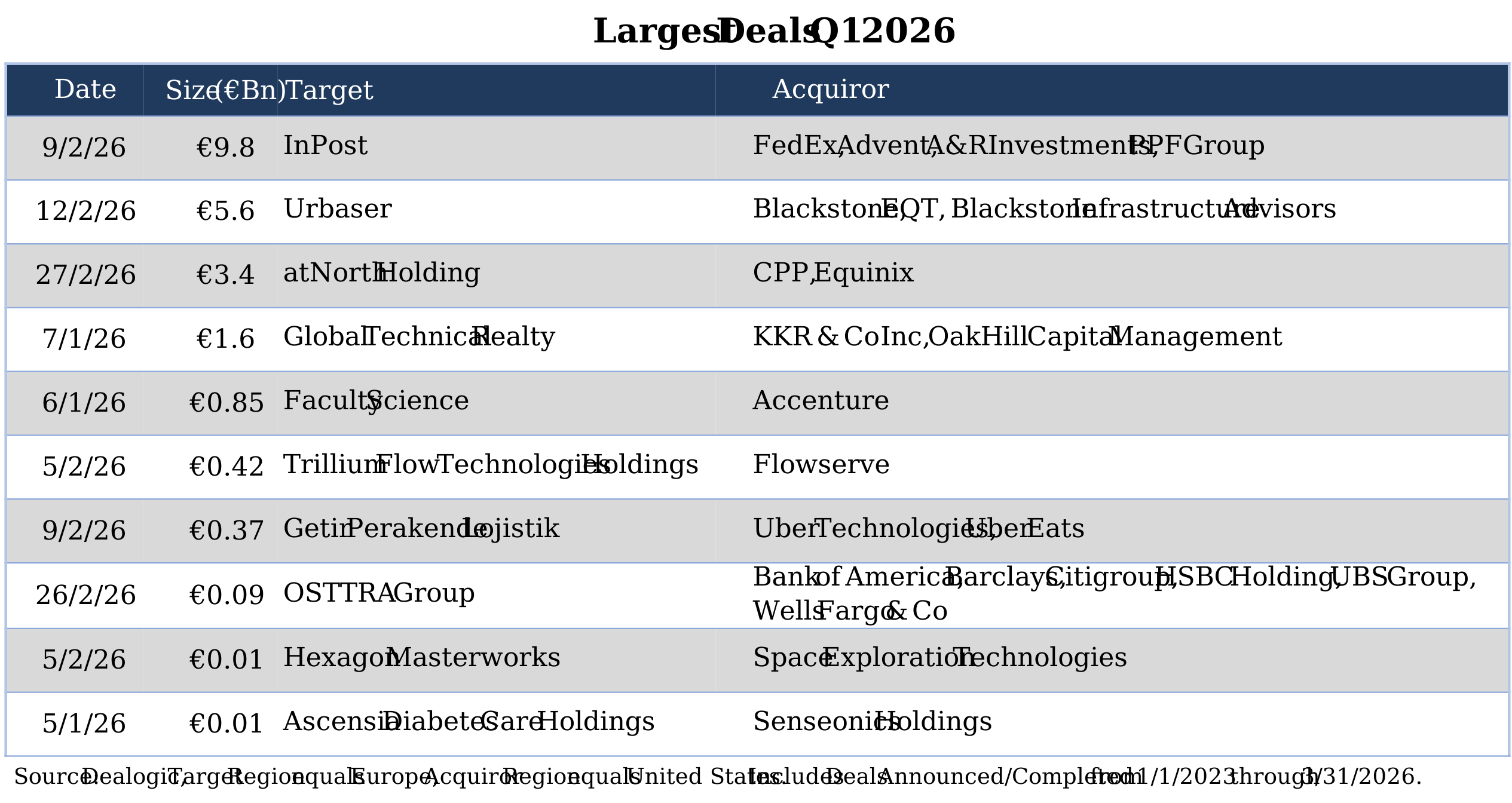
In Q1 2026, financial/professional services and energy remained above-average contributors to deal activity, driven by Europe's energy transition, and continued demand for technology, testing, and inspection platforms. Particularly notable deals include: the €5.6Bn Urbaser deal backed by BX, BX Infrastructure Partners, and EQT, €1.5Bn Power Station deal backed by KKR, and the €1.5Bn ENI Plenitude deal backed by Ares and Energy Infrastructure. Additionally, Aerospace and Defense boosted industrial sector deal execution, supported by NATO-aligned spending commitments and European governments' prioritization of security and industrial capacity.
Geography Highlights
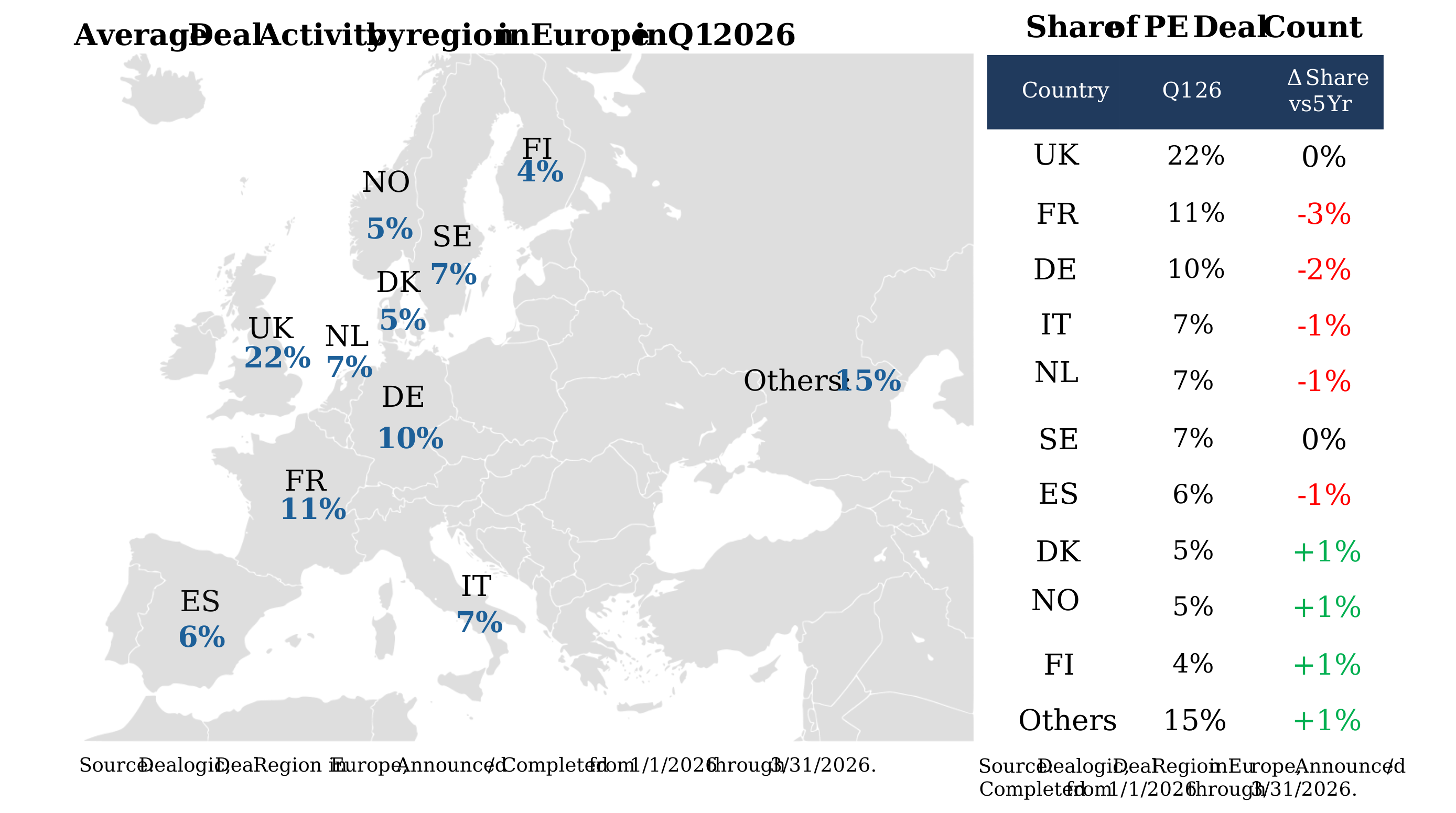
UK, France, and Germany continue to lead deal activity by number of deals in the region, though the Nordics, particularly Sweden, Denmark, and Finland, maintained above-average deal activity.
The UK and Ireland remain the top priority for targeted investment strategies, while pan-European approaches have gained traction among allocators looking to diversify across multiple geographies.
Cross-Border Activity with U.S. Investors
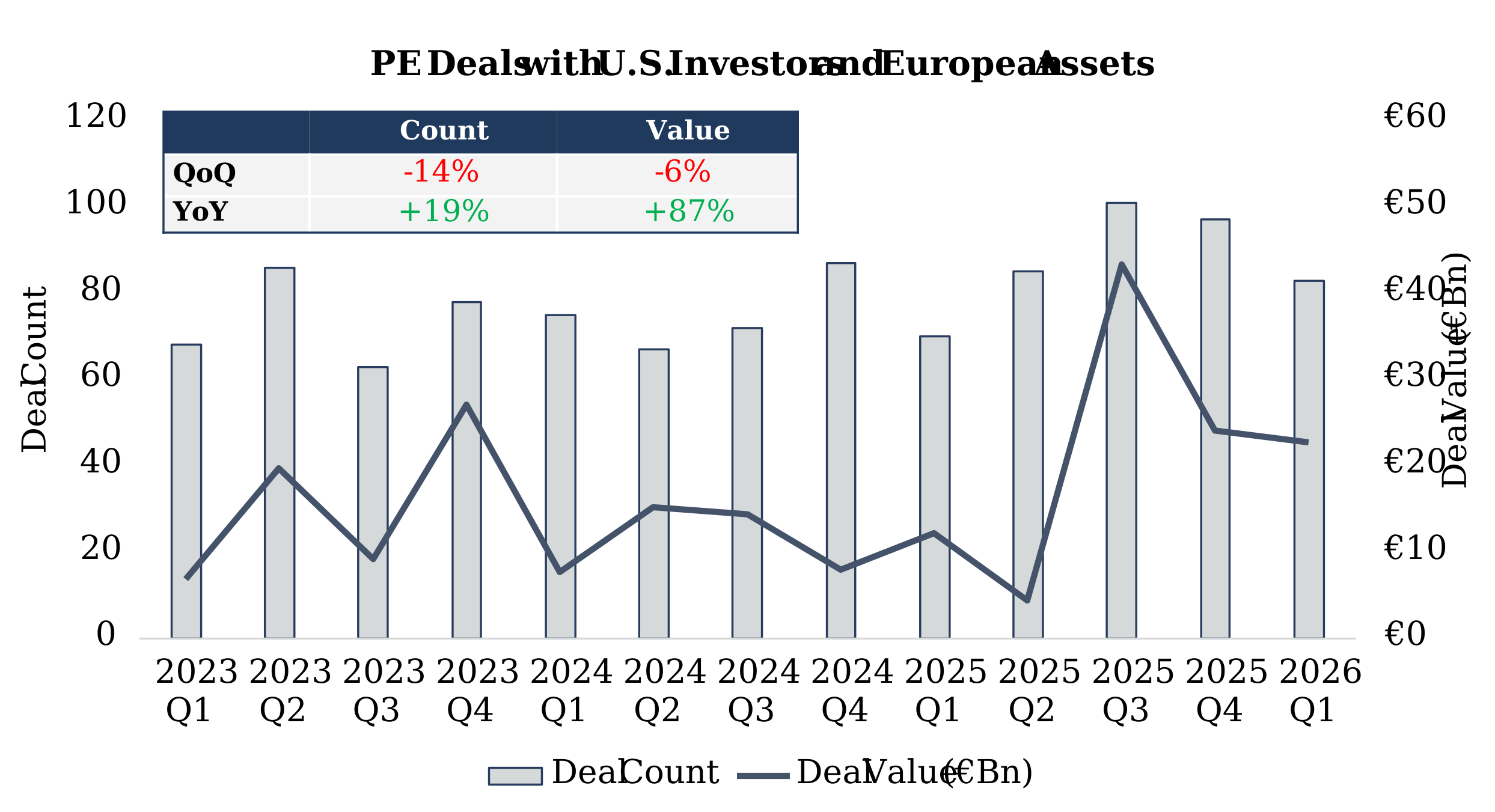
Cross-border activity from U.S. investors continued its upward trajectory into Q1 on a YoY basis, which is regarded as more relevant than QoQ here as Q1 tends to be a weaker quarter out of the full year historically. Deal count and deal value both grew compared to Q1 2025, driven by large transactions such as InPost and Urbaser. U.S. sponsors leveraged improved financing conditions to execute complex carve-outs and mid-market consolidations across the fragmented European landscape. Industry analysts expect U.S. investor participation in European PE deals to continue increasing as LPs explicitly reframe Europe as a priority deployment region due to its relative valuation advantage and higher private alpha versus local public markets.
Fundraising Trends
Fundraising: The number of global funds closed continued its downward trend as the market works through volatility and concentration, yet the growth in aggregate values signals that funds are getting larger and more concentrated among established PE players.
Funds in the Market: Buyout and secondaries dominate the top funds in the market with strategies emphasizing investing in Europe, most of which are from well-known and large global names such as EQT, Advent, and Permira.


Secondaries Fundraising
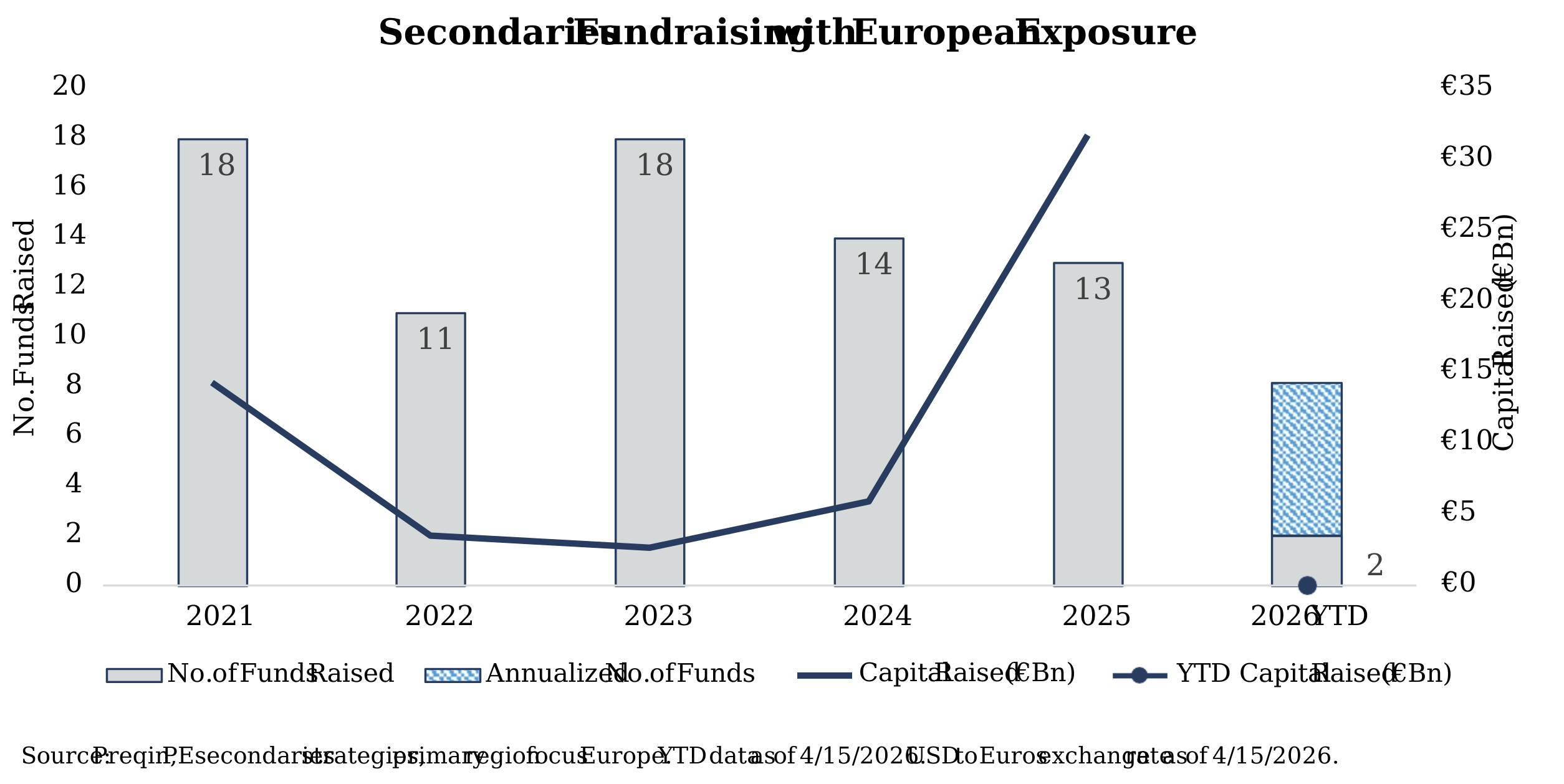
Global Secondaries with Exposure to Europe: Deal value remains elevated as mega secondary funds and vehicles dedicated to secondaries experienced positive fundraising momentum, a big jump in value for full year 2025. In 2026, PE secondary strategies are likely to continue and become even more utilized as GPs and LPs seek liquidity and opportunities to transact.

A Look Ahead
Summary: European PE activity in Q1 2026 was anchored by resilient deal activity despite a sudden geopolitical shock from the Iran conflict escalation. Activity remained concentrated in larger transactions and structured solutions. This reinforces the view that sponsor-to-sponsor transactions, continuation vehicles, and the wider secondaries ecosystem are becoming more central to portfolio management and liquidity generation. The market enters Q2 2026 with pragmatism, where evolving EU and UK market structure reforms as well as deal themes anchored in energy transition, defense, digital infrastructure, and AI will drive deal activity.
Data Centers and Power: Europe's data center growth story firmly arrived in 2026, fueled by accelerating artificial intelligence infrastructure demand. Power availability, rather than capital, is becoming the primary constraint slowing AI expansion. Consequently, energy security and the transition to renewables remain central drivers of Europe's industrial policy and private capital deployment. The market is seeing investor focus shift back toward renewables and grid flexibility as structural dampeners of gas driven price volatility.
Energy Transition and Industrial Electrification: Sustainability in Q1 2026 was less about generalized ESG positioning and more about industrial practicality. Much research from brokers underscored the continued interest in electrification, utilities, grid investment, and infrastructure that reduces exposure to power price volatility. This is consistent with a broader market shift in which the energy transition is increasingly being pursued through networks, flexibility, storage, and industrial modernization rather than through generation alone. Within European private equity, this continues to support assets tied to technical contracting, mission-critical infrastructure, and operational value creation in industrial businesses that can benefit from decarbonization and digitalization at the same time.
Mid-Market and Carve-Out Opportunity: Another important Q1 theme was the continued attractiveness of the European mid-market, particularly where fragmentation, family ownership, or corporate portfolio reshaping can create differentiated sourcing opportunities. Broker research supports the view that the lower and core mid-market remain attractive because they offer a broader set of value creation levers, more flexible financing options, and multiple exit paths.
Fundraising: Fundraising conditions remained demanding in Q1 2026, but the market continued to show resilience through strategies that offer flexibility and earlier visibility on deployment and liquidity.
Secondaries: The market continues to make broader shifts toward secondaries, structured liquidity solutions, and vehicles that can serve both institutional and wealth channels. This suggests that secondaries are no longer simply a response to a difficult exit backdrop but rather have become an established part of the capital formation and portfolio management toolkit across European private equity.
Stay Up To Date with Ropes & Gray
Ropes & Gray attorneys provide timely analysis on legal developments, court decisions and changes in legislation and regulations.
Stay in the loop with all things Ropes & Gray, and find out more about our people, culture, initiatives and everything that’s happening.
We regularly notify our clients and contacts of significant legal developments, news, webinars and teleconferences that affect their industries.