

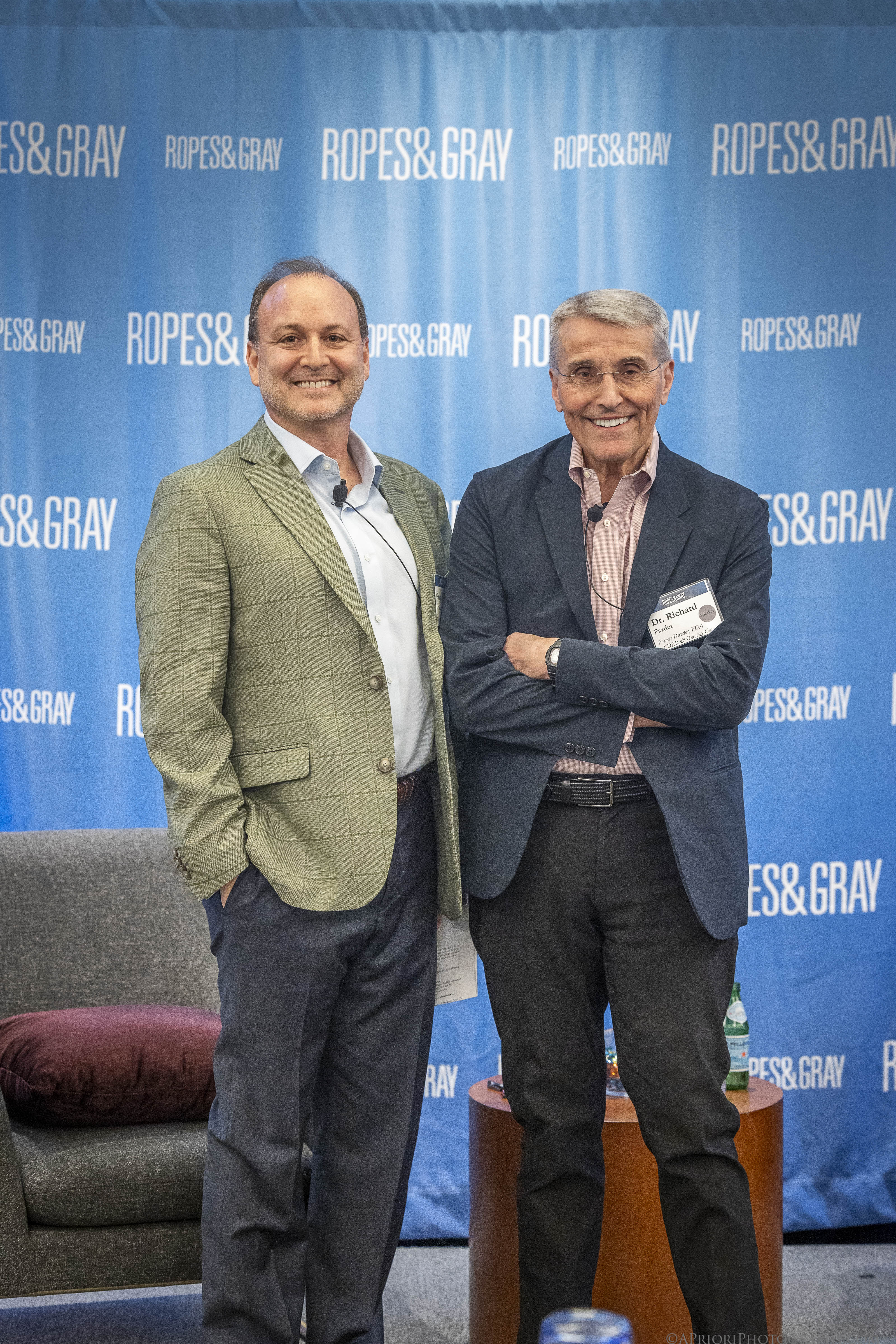
On May 14, 2026, Ropes & Gray hosted its Fourth Annual Ropes & Gray Rare Disease Forum in Cambridge, Massachusetts. The event gathered legal, commercial, and patient advocacy experts in the rare disease community to share perspectives on the latest regulatory and policy developments; practical challenges in the development of rare disease therapies; considerations regarding market access and pricing of rare disease therapies; and the importance of collaboration between regulators, industry, and patient advocates. We were also delighted to feature Dr. Richard Pazdur, former Director of the FDA Center for Drug Evaluation and Research and the Oncology Center of Excellence, as part of a fireside chat discussing the latest developments at FDA relevant to the rare disease industry. (Refer to the full agenda for complete panel topics and the list of speakers.)
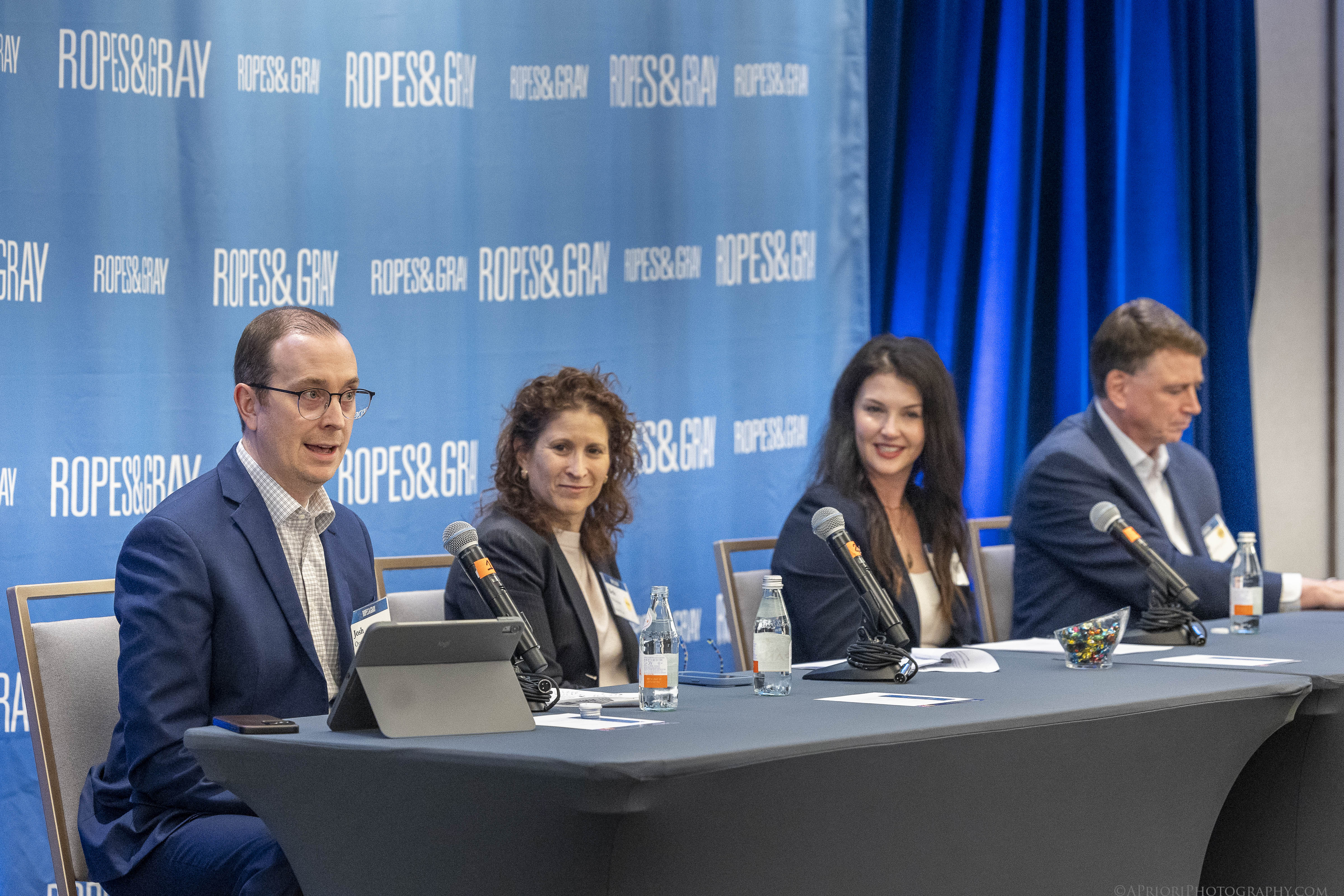
Key takeaways from the Forum included:
- FDA has adopted numerous policies supporting flexibility in the development of rare disease therapies, but practical questions remain. FDA has continued to issue policies and develop programs intended to provide flexibility in rare disease therapy development. Panelists highlighted the publication of policies promoting Bayesian methodologies in clinical trials; increasing acceptance of master protocols, “umbrella” studies, and “basket” studies; the proposed “one-trial” approach; and the “plausible mechanism” framework as key changes evidencing FDA’s continuing commitment. However, significant questions remain about how these policies will be enacted in practice, and panelists raised concerns that some flexibilities remain insufficiently broad, forcing certain rare disease communities to continue seeking ad hoc flexibility from FDA to support development of therapies.
-
 Turnover in FDA leadership and personnel has led to a lack of consistency and cohesion in agency decision-making and priorities. Significant cuts to FDA’s workforce along with high turnover in leadership—former FDA Commissioner Dr. Marty Makary resigned two days before the Forum, with additional senior staff changes occurring in the following days—have resulted in uncertainty due to shifting agency positions and priorities. Panelists highlighted recent instances over the past year where FDA issued complete response letters to pharmaceutical companies after “backtracking” on prior agreements or understandings, creating frustration for both developers and patients who rely on a consistent regulatory approach. This frustration has been exacerbated by a perceived lack of transparency in decision-making, evidenced by, among other things, the decreasing use of advisory committees. The significant turnover has also led to concerns about the consistency of FDA’s decision-making moving forward, as it has created a vacuum of institutional knowledge, experience, and resources among remaining FDA personnel.
- Clinical trial recruitment and access limitations continue to create operational barriers to developing rare disease therapies. Because rare disease patient populations are inherently limited, recruitment and accrual of clinical trial participants remain a challenge, often requiring national or multinational collaboration efforts. Retaining participants is difficult as study sites and treatment centers may be concentrated in limited locations like major cities. Regulatory flexibilities, such as the expanding use of decentralized clinical trials, may serve as meaningful, though imperfect, advances to minimize these difficulties.
- Evolving technologies have the potential to meaningfully advance development of rare disease therapies, but face ongoing practical obstacles. Panelists discussed the benefits and drawbacks of evolving technologies in rare disease therapy development, including cell and gene therapies and leveraging artificial intelligence (“AI”) to support research and development.
- Cell and Gene Therapies: Panelists discussed the potential for platform-based therapies, including cell and gene therapies, to facilitate rapid evolution in the rare disease space. Recent successes, including the case of Baby KJ, demonstrate this potential. However, significant practical limitations—including the cost and complexity of development and manufacture and the need for long-term follow-up—have hindered widespread development of these therapies. Panelists noted that recent regulatory developments such as the “plausible mechanism” framework and broader use of “umbrella” and “basket” trials could support increased investment in this area.
- Artificial Intelligence: Study sponsors and investigators have increasingly leveraged AI in rare disease trials, including for recruitment, data collection, protocol drafting, chart review, and trial matching. However, panelists cautioned that significant legal and regulatory risks remain, including data privacy concerns, inconsistencies in state-level AI regulation, and questions regarding FDA oversight of AI tools used in clinical trials.
-
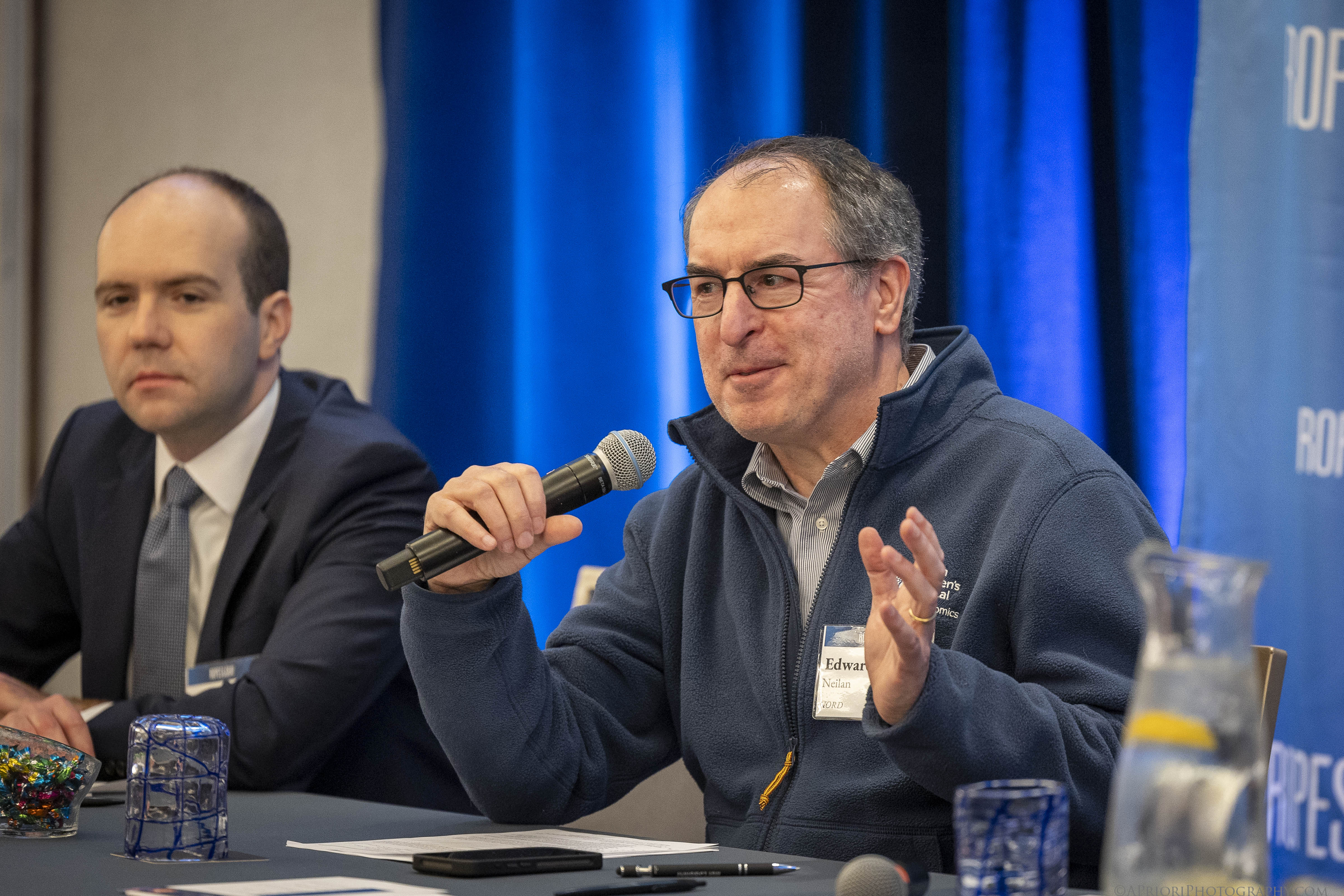 Leveraging the expertise of patients, patient advocates, and drug experts enhances the drug development process. Given the unique considerations relevant to rare diseases, panelists emphasized the importance of regulators and drug developers engaging with disease experts and patient advocates to optimize drug development for these unique conditions. Panelists discussed why aspects of the development and approval process—including the selection and acceptance of appropriate and effective study designs, endpoints, and analytical methods—ought to be considered within the context of each specific rare disease. Panelists highlighted that patients and advocates often provide the most meaningful insight into relevant outcomes in a specific rare disease population; while regulators and drug developers tend to focus on finding a “cure,” minimal meaningful change can often be transformative for those struggling with rare diseases.
- U.S. drug pricing proposals could have wide-ranging impacts on commercial market access considerations and development trends. Panelists discussed the impact of recent policy proposals regarding most favored nation (“MFN”) pricing in the U.S. As the largest pharmaceutical market in the world, a transition to MFN pricing would likely have spillover effects in countries included in international reference pricing baskets, including many European countries. These effects will impact how companies approach market sequencing, launch strategy, and decisions about whether to launch in particular markets. However, adoption of current MFN pricing proposals would likely face legal challenge. Panelists cautioned that such uncertainty may incentivize companies to consider more seriously investing in drug development in ex-U.S. markets like China that have seen recent legal and regulatory advances intended to facilitate innovation.









Stay Up To Date with Ropes & Gray
Ropes & Gray attorneys provide timely analysis on legal developments, court decisions and changes in legislation and regulations.
Stay in the loop with all things Ropes & Gray, and find out more about our people, culture, initiatives and everything that’s happening.
We regularly notify our clients and contacts of significant legal developments, news, webinars and teleconferences that affect their industries.