
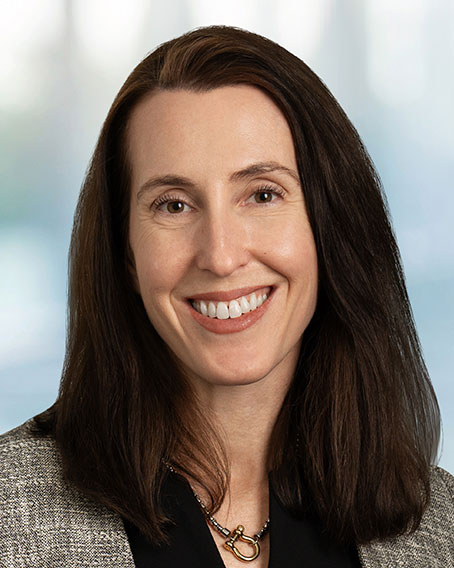
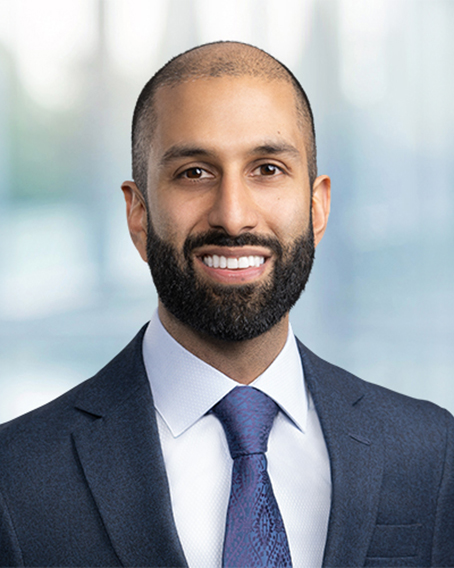
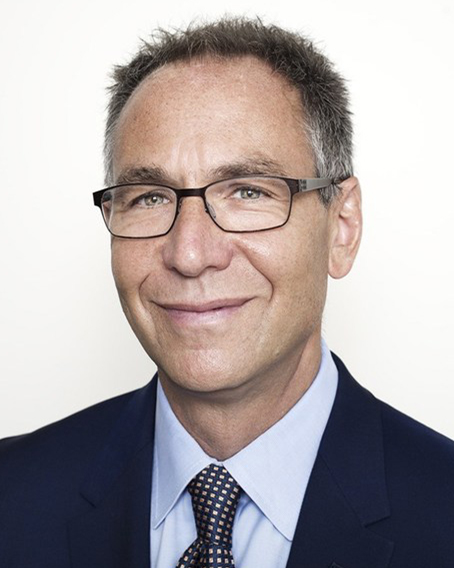
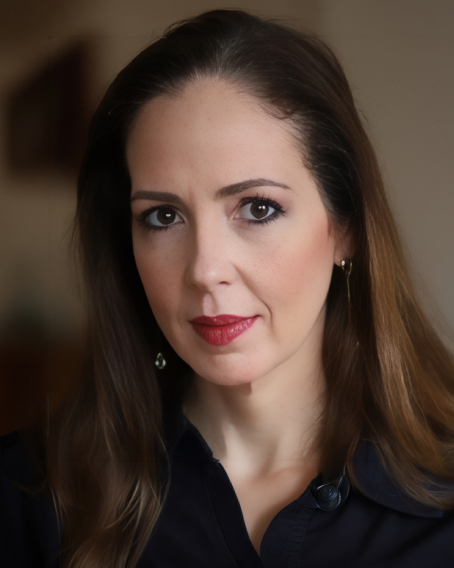
On this episode of Culture & Compliance Chronicles, Amanda Raad and Nitish Upadhyaya from Ropes & Gray’s Insights Lab, and Richard Bistrong of Front-Line Anti-Bribery, are joined by Beatriz Podcameni, a LATAM regional compliance officer for Holcim. Beatriz shares the story behind Holcim’s innovative Compliance Influencer Program, an initiative that shifts compliance from a traditional, top-down approach to a peer-driven, culture-focused model. She explains how the program empowers employees at all levels—especially those on the ground in remote plants—to become “compliance influencers,” making ethics and integrity accessible, engaging, and relevant to daily work. Beatriz discusses the importance of listening, starting small, and building trust, as well as the value of visibility and recognition for those who champion compliance. The episode highlights how a positive, inclusive approach can transform compliance into an organic part of company culture—making it not just effective, but genuinely enjoyable for everyone involved.


Transcript
At a glance: Click the links below to advance directly to the corresponding sections of the transcript:
- [1:14] Getting to Know Beatriz
- [6:34] Moving from Implementing to Influencing
- [9:15] A Network of Compliance Influencers
- [12:02] Bringing the Influencer Network to Life
- [14:40] Buy-in from the Business
- [17:53] Growing the Network
- [20:40] How Influencers Work on the Ground
- [23:05] Next Steps for the Network
- [30:12] Key Takeaways
Nitish Upadhyaya: Welcome back to the Culture & Compliance Chronicles, the podcast that gives you new perspectives on legal, compliance, and regulatory challenges faced by organizations and individuals worldwide. The clue is in the title—culture is at the heart of everything. It’s the endlessly shifting patterns that govern our environment and behaviors. The magic is in amplifying certain patterns and dampening others. Let’s see if we can pique your curiosity, get you to challenge some of your perceptions, and give you space to think differently about some of your own challenges. I’m Nitish Upadhyaya, and I’m joined by Amanda Raad and Richard Bistrong. Hello, Amanda and Richard.
Amanda Raad: Hi, Nitish. Hi, Richard. Great to be with you.
Richard Bistrong: Hi, Amanda. Hi, Nitish. Looking forward to today’s episode.
Nitish Upadhyaya: Before you give us a bit of an intro to our special guest, last time we were recording with James Mitchell and Jamie Brown of the Leonid Group, who talked us through an array of complicated and interesting questions surrounding the compliance landscape and how it’s evolving both on the recruitment side but also in terms of the market intelligence that they have and are bringing to compliance officers and boards to shape the compliance function. And who do we have joining us today, Richard?
[1:14] Getting to Know Beatriz
Richard Bistrong: So, Nitish, today it is a pleasure to welcome Beatriz Podcameni. Beatriz, since 2018, has served as the regional compliance officer for Holcim LATAM, where she directs the compliance program across nine countries, from Mexico through Central America, the Andean region, and the Southern Cone, so no wonder she’s told us that she’s run out of pages in her passport. Driven by her belief that integrity is a performance driver rather than a constraint, Beatriz is the architect behind Holcim’s innovative Compliance Influencer Program, an initiative that aims to shift corporate compliance from top-down enforcement to a positive, culture-driven program, and that’s going to be the subject of our discussion today. Also, beyond her corporate mandate, Beatriz has been a part of the ICC Mexico Anti-Corruption Commission, which is exactly the platform where we first crossed paths many years ago. And later, we finally managed to meet up in real life over a wonderful lunch in Rio. Welcome, Beatriz.
Beatriz Podcameni: Thank you, Richard. Thank you, Amanda and Nitish. It’s really nice to be here, really nice to share the insights and how we can come to compliance in a more day-to-day, not scary way of being. So, I really like sharing some modern insights and ideas of compliance being really fun and nice.
Nitish Upadhyaya: Well, I’m excited to hear more about especially the fun aspect. But before we do that, let’s do a rapid-fire round to help the audience get to know you. Give us three things that we should know about you.
Beatriz Podcameni: First of all, I like fun—I like working with fun. So, I remember a couple of years ago, I was working at a law firm, a very formal one, and somebody told me that, “I will never have fun working.” And I said, “Not with me.” No matter what I do, I’m going to make it fun. I come from a family of engineers—I have a very logistical mind, but I like to communicate, so I blend all of that and I make it easy, and organic, and relatable at the end of the day. And I’m a caretaker—I love my family, I love taking care of my coworkers, and my team. So, if you add up everything, this is compliance.
I remember once I was in school with my kids, and I had to talk about my career—they were two or three, it was really kindergarten. I was working as a compliance officer for oil and gas. So, how do you describe that to two/three-year-olds? The best way to describe a compliance officer is that we look for the bad things. We try to convert the bad guys into good guys. And if we are not able to do that, if they’re not willing to do that, we just have to inoculate that. So, at the end of the day, who are we? We’re just superheroes working for the good. So, this is actually how I see my position here—it’s fighting for the good, and influencing, and making sure that everybody’s having fun doing the right thing.
Nitish Upadhyaya: A fun superhero. I love it.
Beatriz Podcameni: A fun superhero.
Nitish Upadhyaya: Tell us one thing you’re curious about.
Beatriz Podcameni: I’m a very curious person. I go from A to Z. I’m a super nerd. I am super energetic. I love communicating. I love people. I like watching people talk. I like understanding cultures. So, I’m very curious about people interacting, how they respond to things, and how they respond to out-of-the-box reactions. And I really like to be not expected—so, when I talk about something that is really not expected, out of the box, or they’re not waiting for that, I love to see their reactions. So, I’m really curious about humans and how they react to different things.
Nitish Upadhyaya: So, on that point, what’s the last thing that surprised you?
Beatriz Podcameni: Do we get surprised in compliance? Don’t think so. But anyhow, what I got surprised about is actually the last compliance week campaign that I did. It was all based, of course, in Boca, and our questions and trainings were about goals and penalties. So, if you would get it right, you would get the right play, and then you’d get the ethical penalty at the end of the day. So, how they responded well to day-to-day activities so they can relate to their needs, and it was really well received—you got the message. At the end of the day, they were talking about exactly what I wanted them to be talking about, but with a very fun game. I really now get surprised on how we don’t need to be the corporate lawyers or corporate compliance, and be the blue collars, and talk to them as blue collars, as we do when we talk with executives. When you talk to the sites and the plants, you are the blue collars, and this is so powerful. So, I really got surprised with the powerful peer-to-peer messages.
[6:34] Moving from Implementing to Influencing
Richard Bistrong: Thank you so much, Beatriz. And before we start our discussion on your Compliance Influencer Program, a quick question—and I still will never forget this. When we were co-panelists on the ICC Mexico webinar, you shared, “Sometimes as compliance officers, we need to think more about inspiring and influencing and maybe a little less about implementing.” I love that sentence. I have used it more than once in my client work.
Beatriz Podcameni: What an honor to be quoted by you, Richard—I’m really flattered about it right now. If you have a grandkid right now, and you ask him to eat the broccoli because it’s healthy or you command something, what is the first thing that they’ll start to do? “I don’t like broccoli.” They just start doing things or hiding beneath the table. Or, if you go there, “If you eat your sugar, you’re going to be allowed to eat your broccoli.” So, this is actually why you twist the message. When you influence, you don’t say that you have to do that—you want to do it, because it’s nice, and then this is the prize at the end of the day. So, when you set a command, the first thing that a human being starts to do is think about the hidden possibility or how to go through the gaps.
When I have a checklist to go through all the commands, and the orders, and the bureaucracy that they have to do, when you influence, you sell from the heart, so they want to do it. So, you just give a little bit of a marketing twist. Compliance, at the end of the day, you have, of course, all the controls, but it’s a marketing situation where you want to sell people on doing organically what is the right thing to do. So, this is actually why we’ve changed ambassadors or champions to influencers, because there’s peer pressure to do the thing. And then, usually, you get somebody that is well in the organization or is already successful, and you just sell that aura of doing the right thing is something that is rewarding, is something that is really nice. It’s pretty much a social proof. Robert Cialdini’s principle usually says you don’t change habits because you’re an ambassador or because you have a checklist. You change them because you’re relatable. You relate to the influencer. You relate to the model, and you want to be it, and you want to multiply the positive message. Compliance needs to be positive, needs to influence rather than to command a negative order. So, it’s just a different way to approach a compliance message.
[9:15] A Network of Compliance Influencers
Nitish Upadhyaya: And so, tell us more about this idea of a compliance influencer network. You’ve already given us some basics about how people should be embedded and just be part and parcel rather than compliance sitting over here or legal sitting somewhere else. Where did you see the gap coming, and is there a reason that you used the word influencer rather than, say, ambassador or other terms that we might have heard describing the programs?
Beatriz Podcameni: Yes. It was an evolution, actually. So, of course, we started with ambassador. Then, we changed to agents. But if you have a call center or you have something that’s an executor, it’s an agent. And then, we have an influencer, because my problem is that in LATAM, we have a 50k-plus company. Then, we have a 15k-plus Latin America region. And I have a small team of compliance officers, and then we have the legal and compliance team, which is my extended footprint. Not near I would get my footprint in all of the plants and the 15k people that I would have to reach. And it, of course, doesn’t have a budget for a large FT, so, who could help me? Your coworker. When you have a question at work, to whom do you go? To your next-table colleague. This is actually where you have the coffee conversations. So, who will be the best person to actually share my message and to multiply my message? It will be the coffee coworker. So, this is actually where I go to the plants, boots on the ground.
We do have a program of boots on the ground. I am very much boots on the ground. I go to compliance with every plant I have visited. I have my own schedule of visiting at least two to three plants every time that I go to a country, to make sure that I can engage with operations, and I can engage with those who are actually producing Holcim’s products, and services, and so on—the basis of our large footprint. They don’t talk corporate compliance. They actually have their own way of talking and taking the next step on where to find my tools. To whom should they go to get any information? Why are they doing that? Is this internal control? Why not internal control is the compliance? We say, “We’re going to the integrity.” We’re actually taking off the compliance words from our vocabulary because they’re foreign words. So, why do they need to be ethical? Why do they have to go two steps further than the competition, and they would get a heavier program? So, this is actually why we started the compliance influencer. Do that, and you’ll get further—you’re going to be more successful. You can have the performance with integrity in a more sustainable way.
[12:02] Bringing the Influencer Network to Life
Amanda Raad: So, that’s amazing, and you’ve talked already about making all of this accessible and inclusive and bringing people along on this journey, and making it fun, importantly. With all of that, had you already formed the basis for the program and then you took it out to everyone, or did you build this together? And how did you, practically speaking, bring this to life? Can you just give us a little bit more of, once you have this brilliant idea, how do you make it happen?
Beatriz Podcameni: As I mentioned, it’s an evolving situation, an evolving program. So, we started with 10-15 volunteers to understand exactly what we can be. What is the workload that we can actually assign to those influencers? What will be the safe way to actually assign to blue collars compliance information or compliance consultations and advice? We have a specific range of people who were more informed about the day-to-day in compliance that actually could lead. And this is actually my main target for the compliance influencer: multiplying the message, but more than giving the answer, it’s actually leading the way, because this is actually where we are talking about middle-of-the-jungle sites, very remote sites, small sites. We have a lot of projects. So, we have a lot of information that is spread around and not necessarily very easy to find, because then we’re talking about digital in the middle of the jungle—not that easy to find.
I need those influencers to understand where the information is to make it really easy, make it really organic. So, when I evolve the program, I now want them to understand what we’re talking about, where’s the information, and if this information is available in those sites. So, it’s a really basic contribution that they do. They have the visibility to talk to corporate, to talk to region, so this is actually the payback for them. We have some trainings on media, so if they post or repost, we can enhance the algorithm of their own accounts. But for me right now, my main target for the influencers is sharing the work, being my eyes, and actually leading if they think that there’s any situation to raise a hand, call us, and say, “Well, here I don’t see that they’re understanding the campaign X. Please adjust it to our own local language or to our local vocabulary, your local way of talking.” So, this is actually how we are implementing—it’s much more on the communication side rather than the control or implementation side.
[14:40] Buy-in from the Business
Amanda Raad: I love what you said about really focusing, and it goes back to the accessibility, but the language and the effective communication both ways to see where things are landing, where they aren’t, and changing the message where it needs to be changed so that people can actually access everything more easily. Just one question on getting buy-in from the rest of the organization, because you talked about that important part of the visibility and the access point, what’s in it for the influencers themselves. How has that been received? Has that been challenging, or has that just been welcomed with open arms, like, the rest of the organization?
Beatriz Podcameni: It has been welcomed a lot, mainly because it’s cost-free—it doesn’t need a budget for that. As I mentioned, the payback’s actually this visibility in the network that the influencers are creating. It’s really interesting—when you go to the plants, they get dazzled by the visit, because sometimes, they don’t have corporate visits like region-level or C-level. They have once a year. It’s not very common for a region or group to be visiting those remote plants. And the possibility of having this visibility is already enough. So, when we don’t have a budget situation, and then you have a very happy employee really working hard to make sure that everything goes smoothly and effectively, you get the buy-in from both sides—from management that they are happy to enlarge the footprint, the potential FTs without additional costs, and then you have also the happiness of those participating in the program to be able to be seen by the corporate team, by the CEOs, or they get their pictures in our regional communications. So, the ones in the middle of Costa Rica, in the jungle, they would be seen down in Argentina because the communications are regional-based. It’s really nice for them to get this visibility and rewarding feedback from them.
Amanda Raad: It’s not only visibility for them, but it’s visibility for everyone. I guess that’s the whole influencer model. But everyone in that jurisdiction, in that market, sees one of their colleagues being highlighted, which I’m sure really has a big impact for the whole team.
Beatriz Podcameni: It’s really interesting, because I usually get their feedback. So, what do you want to see in a compliance week? They actually actively participate in the decisions that I take. For me, compliance, it’s very much about marketing communication. So, we do have all the hard work that is done by corporate compliance, so all the controls and all the governance actually begin with my team and me. But then, when you have communication, if you need to break through with a communication, you need to listen to what they want to hear, what they want to receive. So, this is usually feedback from the influencers and from my conversation in the plants. “What do you need to hear?” So, another compliance week that I have this year is actually based on feedback from what they want to do, what was really boring and not boring, what would make them not look at the telephone or not sleep during a session. And this is really powerful, because they see themselves and the activities, and the communication would get much more effective with that.
Richard Bistrong: I love that whole—to pivot on what Amanda shared—the visibility aspect, which goes back to your inspiring and influencing and the proactive feedback loop, because I’m thinking, “Who knows better how compliance messages are received and risks that are emerging at a far-flung operation in a remote jungle locale than the people who are working there?” So, the fact that you have people that are feeding you information as well as distributing information is just so powerful. And now that you have gone beyond your 14 initial volunteers, how do you find your influencers? Are they coming to you? Are you coming to them? And is there a sweet spot where you find this type of role seems to be very well-suited for an influencer?
Beatriz Podcameni: Yes, so we went from 14 to almost 100 because of the success of the program. Then, we saw that we had a little bit too much. Then, we are focusing a little bit on maybe one per plant or one per main plant. And then, you have a cluster of plants—understanding exactly the mechanics of it. Right now, what I see, it’s really based on communication and visibility. I have some sessions in the plant, and I cannot reach the 100 percent, so I train the influencer to be the replicator of that conversation, or somebody that is really engaged and a model of compliance. Of course, we do have some vetting and some eligibility to be the influencer to make sure that whenever the person passes the message, it’s relatable but it also makes sense. This is actually why we are focusing right now on improving not quality—because they’re, of course, all of a very good quality of employees and contributors—but making sure that they are very much aligned with the core messages that we have, and that is the business enabler. They understand that their message is actually to improve the message that we have and create sustainability in the compliance path. We work with cement, so I usually say that our compliance path needs to be glued with our cement. And the integrity is actually the cement, because if we take it out, it just gets very fluffy, and we are going to be suffocated by this sand path. So, we need to make sure that we are in a cement path and not in a sand path—it’s usually how to relate on the messages. And, of course, this was all their ideas—slogans right now are coming from the plants. I really love it. It’s really nice.
[20:40] How Influencers Work on the Ground
Nitish Upadhyaya: Love to hear some stories from the ground about how your folks are changing things, influencing, using their talents and their listening skills, their communication skills. And with collaboration with you and your team, how are they making a change on the ground, to the extent you can share some of those stories?
Beatriz Podcameni: We have some very specific checklists that we ask them. So, we have posters of the Speak Up campaign, for instance, in pretty much all of the plants. They are actually my eyes there, so sometimes, they go there, they make a tour in the plant to make sure that all the posters are there. We are improving the quality of our reports. So, we receive a couple of reports in our Speak Up line. Some of them, because of the culture, they are not very informative on what is going on. I try to tell influencers, “Please go around and ask why they are afraid of speaking up. What is happening?” I receive a lot of information that is not officially a helpline or is not a compliance issue, but I see that there are some noises or some hostile situations in the plant. And before it comes up to a compliance situation, I ask the compliance influencer to have some capsules or some coffee with compliance or just work around, because they are usually persons that the team would trust and actually talk about, to understand a little better what’s going on. When I go to the plant, I have a conversation with a small group or a focus group to understand what’s going or, if I have something going on with transportation companies, they actually give me the ideas and then advise their transportation companies to have a coffee with compliance.
We’ve just had that in Nicaragua, which was really interesting, because we do have some paramilitary teams working in Nicaragua. We actually overcome that and make sure that we have a program that not only reaches Holcim but also goes beyond our supply chain situation. So, where do they think that they need to have more information? They are actually the facilitators of those gaps. So, whenever I have a gap, it’s really ad hoc. As I mentioned, it’s a communication program, so it depends on actually how it develops plant by plant. Each plant has its own challenge or its own need that I will just hear back from the influencer, and they will be my thermometer to understand where I need to step in.
[23:05] Next Steps for the Network
Nitish Upadhyaya: I love those stories of these small course corrections that you’re able to make by having these open channels on the ground, little bits of vital information that just help you shift the patterns, or actually, more importantly in some cases, resolving those hot spots before they turn into a real fire or emergency drill—just cooling things down, taking the temperature down as well. So, what’s next for this network? How do you see this panning out in the years to come?
Beatriz Podcameni: We say that we are all compliance influencers, because we do have the official compliance influencers, but I also want to know that everybody’s a compliance influencer. Right now, what I want them to do is to get more organic messages in social media where they can really be proud of working. Now, what I see is that we have a generational change in the importance of ethics—not a compliance program, but on ethics, to work in an ethical company. This is actually a plus for engaging new employees and recruiting the new generation. So, I want to make sure that the whole thing is top of mind of an ethical company, because we do invest a lot, not only budgets but also time and tone from the top.
Tone from the top in Holcim these days is amazing. I’ve never worked in another company with such a tone from the top right now. I want to make sure that this is known. We are very low profile in media and conferences and so on. But now, I want to make sure that this is heard outside the company, and we become top of mind when we talk about modern, innovative, disruptive compliance programs that we do have, that we have all the checks, all the controls, which is amazing. But also, we engage people, and this is really organic. Usually, we have that with H&S, so when we talk about industries, we have a very mature and advanced H&S program. But I want to make sure that we have the same with compliance—but more than just compliance, ethics and integrity. I really want to work in Holcim because I won’t have headaches. I can tell my kids I work in Holcim. I can share with my family, with my grandmother, that I work in a company that is actually fighting in the society of each of the countries to make sure that we have an ethical society, that we have an ethical industry, and they not only allow me, but encourage me, to do the right thing.
So, this is actually my next step of communication, of disseminating how I actually put my influencers to work. We have a school in Colombia that is sponsored by Holcim—it’s called Liceo in our plant of Nobsa. And I add them to my compliance weeks, and I learn so much from them. They actually gave me my official slogan for Speak Up, that “Reporting is caring.”
Amanda Raad: Oh, I love that.
Beatriz Podcameni: Yes, I love that, and I was amazed at that. So, for me, this is actually where I want to be fed, from the base. Of course, we do have the executive approach, the financial approach, the hard-core approach that we have in compliance—this is an inherent part of a compliance program. It’s the easiest part when we talk to executives. They understand the risks. They understand the consequences. But when we have this close network in the base, and they are so proud to work for Holcim, and they are proud to go to schools and talk about how ethical the company is, how they actually stop an entire plant to play football, talking about compliance—we have, like, the Oscar. We didn’t have an Oscar because of the copyright, but it was the award of the best—best in supply chain controls, best in communication. We have an escape 30 session that would lead to our code of conduct, because we have just relaunched our code of conduct. So, they go back, and they say how fun it is, actually, to do the right things, and how encouraged they are to do the right things, and nothing will happen to them if they raise their hands and say that they are willing to do the right things.
Usually, you go from mandate, compliance being mandated, to compliance being really organic, that you actually don’t need a compliance officer anymore to go to the plants, to remind them what to do. So, if you tell me what is my ambition, not only with the Influencer Program but with compliance, it is that they are actually doing my job. It gets so organic—they are doing that in an easy way that they don’t need to think about compliance anymore. They just breathe. They just do it right. For me, that is the ideal. The ideal world is actually to have my influencers as, “Just have fun. Do it right. Do it well. You’re going to have your job, you’re going to have a very healthy company, and you’re going to be proud of working here.” And this is, for me, the ideal situation of the compliance in a company.
Amanda Raad: Well, it’s very beautiful, and it seems you’re very far along that journey. And you have dared to do things differently. By definition, you have looked at innovative solutions. You’ve spent a lot of time building relationships, actually being on the ground, working with people. And obviously, that has clearly paid off in all of the different paths that you’ve been able to take, which it sounds like really empowering everyone to bring this all to life. If you were to give one tip to others that are out there thinking about just starting on this journey within their organization, what’s the one thing you would say is the absolute must that you need to start with to get this right?
Beatriz Podcameni: Don’t boil the ocean. Start small. Listen. Whenever we are at the corporate table, we tend to do the ideal program or we tend to do a very rigid or fixed program. This is not correct—it’s the other way around. So, we need to react to them and not impose on them. They are going to feed us back what we need to do. Just baby steps. Listen to them. Listen to what they need. Listen to how they work, and how they operate, and how they would be influenced, because influencing from me in Brazil, from the other side of the office table, may not be how they’re going to be influenced in the plant, or in the office, or in the very stressed leader in the biggest operation that we have. So, baby steps, listen to them, and don’t boil the ocean. Just start small and construct from there. Just add the blocks one by one. Don’t be pressured to have it all in a small time. And be allowed to make mistakes.
Amanda Raad: To bring it full circle, have fun, and have purpose. Know what your purpose is and what you’re trying to achieve. And I’m also so glad you brought up listening. We’ve spent a lot of time on this podcast talking about the importance of listening and how to do so, because I think we all have the goal to listen, but this world makes it sometimes a bit distracting. So, I think it’s really important to be reminded how essential it is.
Beatriz Podcameni: To actively listen—really listen to understand.
Nitish Upadhyaya: Beatriz, you shared such an amazing takeaway already for us: don’t boil the ocean, keep it simple. That is something that we often forget. I wonder, Richard and Amanda, do you have takeaways? Before I let you both go for that, I’m going to give my own, because I just think this idea of devolution, this idea of being hyper-local, in having those links with individuals all criss-crossed, partly because of the way that your business has evolved in the factories and the local places, but also actually, I think it sounds like culturally as well, this just makes a lot of sense. And making that work is difficult, but my one-line takeaway is don’t forget that hyper-localization and that devolution, those local connections can make everything work at a much more structural level. Richard, what about you?
Richard Bistrong: I think it’s going to be easier for me to describe some keywords as takeaways: relatability, accessibility, the importance of visibility, and the idea of cultural context. So, this is such a bottom-up, and listening, and having these proactive feedback loops that just people want to talk to you, as Beatriz shares, because they’re inspired, and they’re influenced. It’s just not all about implementing. Thank you, Beatriz.
Beatriz Podcameni: Let’s make sure we build the bridges between the corporate world and the real world, and make sure to build it with the Holcim cement.
Amanda Raad: Beatriz, I love that you mentioned a bridge, because my one takeaway was actually going to be how you talk about people, and relationships, and the lack of silos or people being stuck in a box of a role or even seniority really, that it’s all about empowering people—I think a bridge is a really nice way to describe that. People aren’t waiting for you to tell them exactly what they need to be doing and how to do it—you’re putting all the tools there and letting people bring things to life. And I think that really breeds innovation, which is what you’re after here, learning to find new ways to achieve all the goals that we have. I love it.
Beatriz Podcameni: Thank you.
Nitish Upadhyaya: Beatriz, where can listeners find out more about you and your work? Because I suspect there are going to be lots of questions and requests for help regarding your vision.
Beatriz Podcameni: I’m on LinkedIn. I promise to be a little bit more active. Right now, I work with a mentoring program, so, of course, I’m happy to go through, to help, to coach, or to support. As I mentioned, I am a caretaker, so I love to help. I love to mingle. And I love to make friends. So, just shoot it, and I’m going to be there for you.
Nitish Upadhyaya: Amazing. Thank you for your generosity in giving so many stories and your experiences. I know, though, you have so much going on, lots of travels and places to be as well, so thanks for this little sliver of time where we’ve heard so much about the programs that you designed and I think probably given a lot of inspiration to people to start small and to see what they can do in their own organizations.
Beatriz Podcameni: Thank you for inviting me. It was a pleasure and super fun.
Nitish Upadhyaya: Thank you all for tuning in to the latest episode in our Culture & Compliance Chronicles series. For more information about our series and any of the ideas discussed today, take a look at the links in our show notes. You can also subscribe to the series wherever you regularly listen to podcasts, including on Apple and Spotify. Amanda, Richard, and I will be back very soon for our next chapter. If you have topics you’d like us to cover or novel perspectives you want everyone else to hear about, get in touch. Thanks again for listening. Have a wonderful day and stay curious.
Show Notes:
Speakers
Stay Up To Date with Ropes & Gray
Ropes & Gray attorneys provide timely analysis on legal developments, court decisions and changes in legislation and regulations.
Stay in the loop with all things Ropes & Gray, and find out more about our people, culture, initiatives and everything that’s happening.
We regularly notify our clients and contacts of significant legal developments, news, webinars and teleconferences that affect their industries.